

Add space. Add value. Generate income.
We handle everything — from zoning and permits to design and construction — delivering a fully managed ADU solution built for clarity, efficiency, and long-term value.
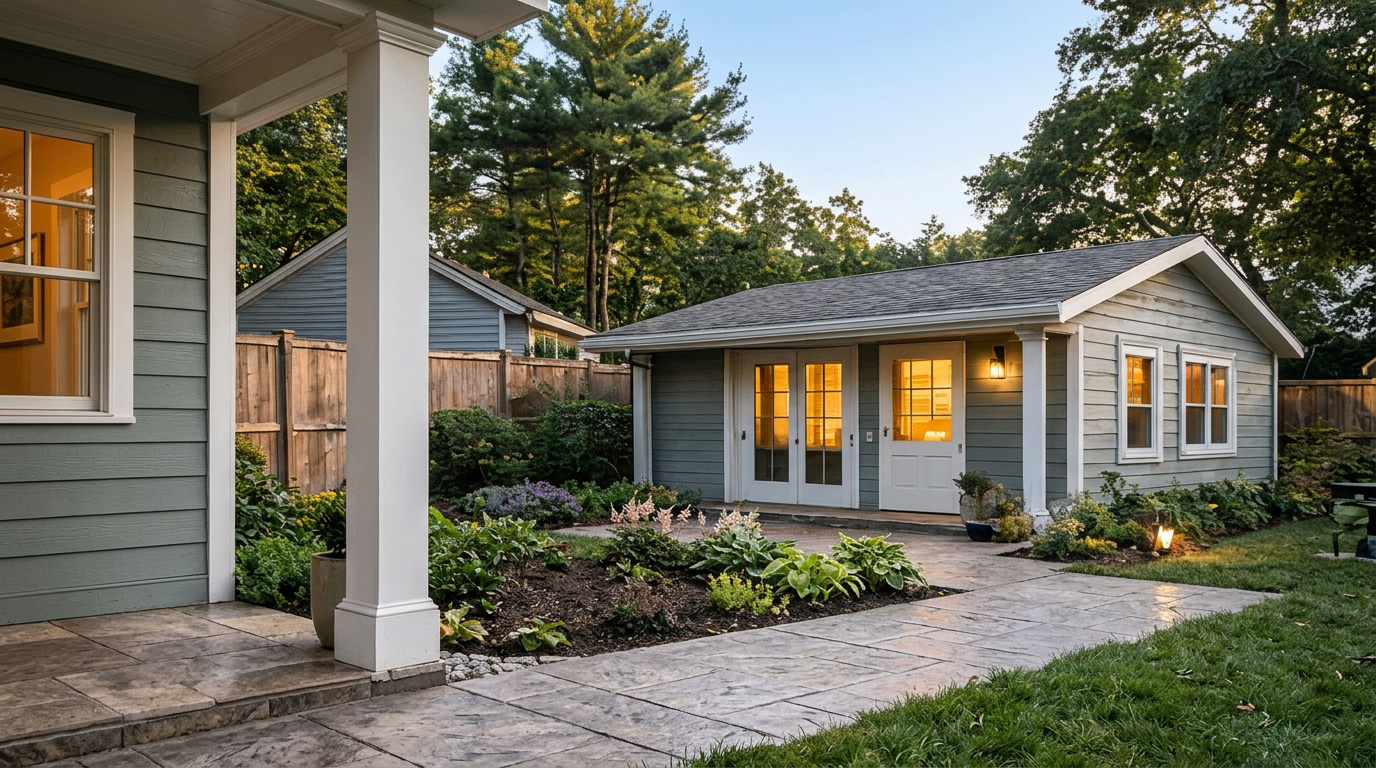
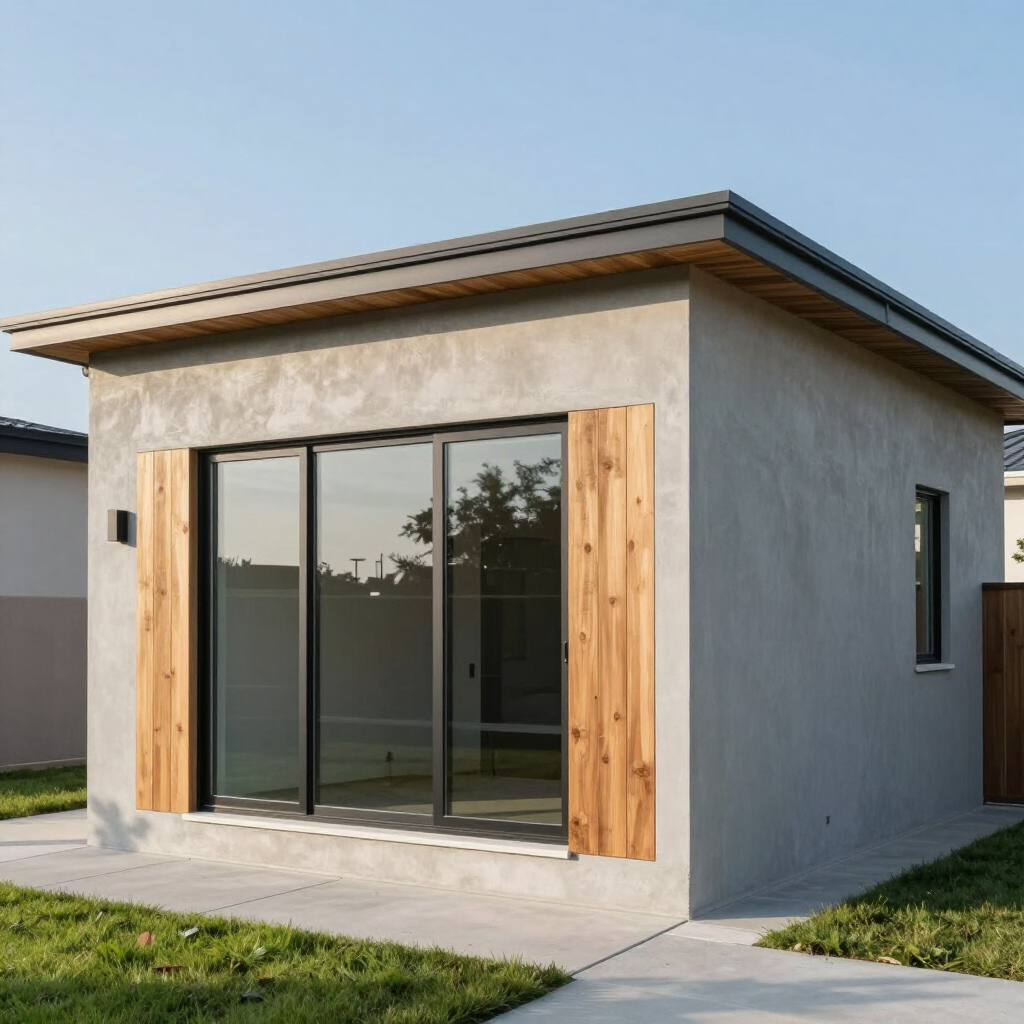
An ADU, or accessory dwelling unit, is a smaller living space built on the same property as your main home. Depending on your property and goals, it could be a backyard cottage, a garage conversion, a basement apartment, or an addition connected to your home. In simple terms, it is a way to create more usable living space without buying a new property.
Flexible Living Spaces
What Is an ADU?
Detached ADU
Garage Conversion
Attached Addition
Generate Rental Income
Transform your property into a source of income by renting out your ADU. Whether it's a long-term tenant or a short-term vacation rental, an ADU can provide a steady cash flow.
Learn More
Add Living Space
Need extra room for family or guests? An ADU offers a perfect solution, providing additional living space without the hassle of moving.
Explore Options
Increase Home Value
Investing in an ADU not only enhances your living space but also boosts your property's long-term value, making it a smart financial decision.
See Benefits
Transform Your Property
ADU Options Designed for Your Property
Turn Unused Space Into Living Space
Add a Private In-Law Suite
See what's possible. Create a comfortable, private space for family members while maintaining independence. Integrated into your home or built as a separate addition, designed for accessibility, privacy, and long-term use.
Convert Your Garage Into Income-Ready Space
Turn your garage into a fully functional living unit, complete with a kitchen, bathroom, and living space. A cost-effective alternative to building new, allowing you to generate rental income or add flexible living space.
Fully Custom ADU Design & Build
Why More Massachusetts Homeowners Are Exploring ADUs
Homeowners choose ADUs to address practical needs like extra space, family flexibility, and property value growth. ADU demand is increasing across Massachusetts — early planning helps avoid delays with zoning and permitting.
Give family, guests, or adult children a comfortable place to stay without altering your main home.
Maintain privacy and independence while keeping loved ones close under one roof.
A well-designed ADU can enhance your property's market appeal and long-term worth.
Some homeowners build ADUs to add rental opportunities, depending on local regulations and usage.
Adapt your existing property to meet changing needs instead of relocating from a neighborhood you value.
Flexible Space for Changing Needs
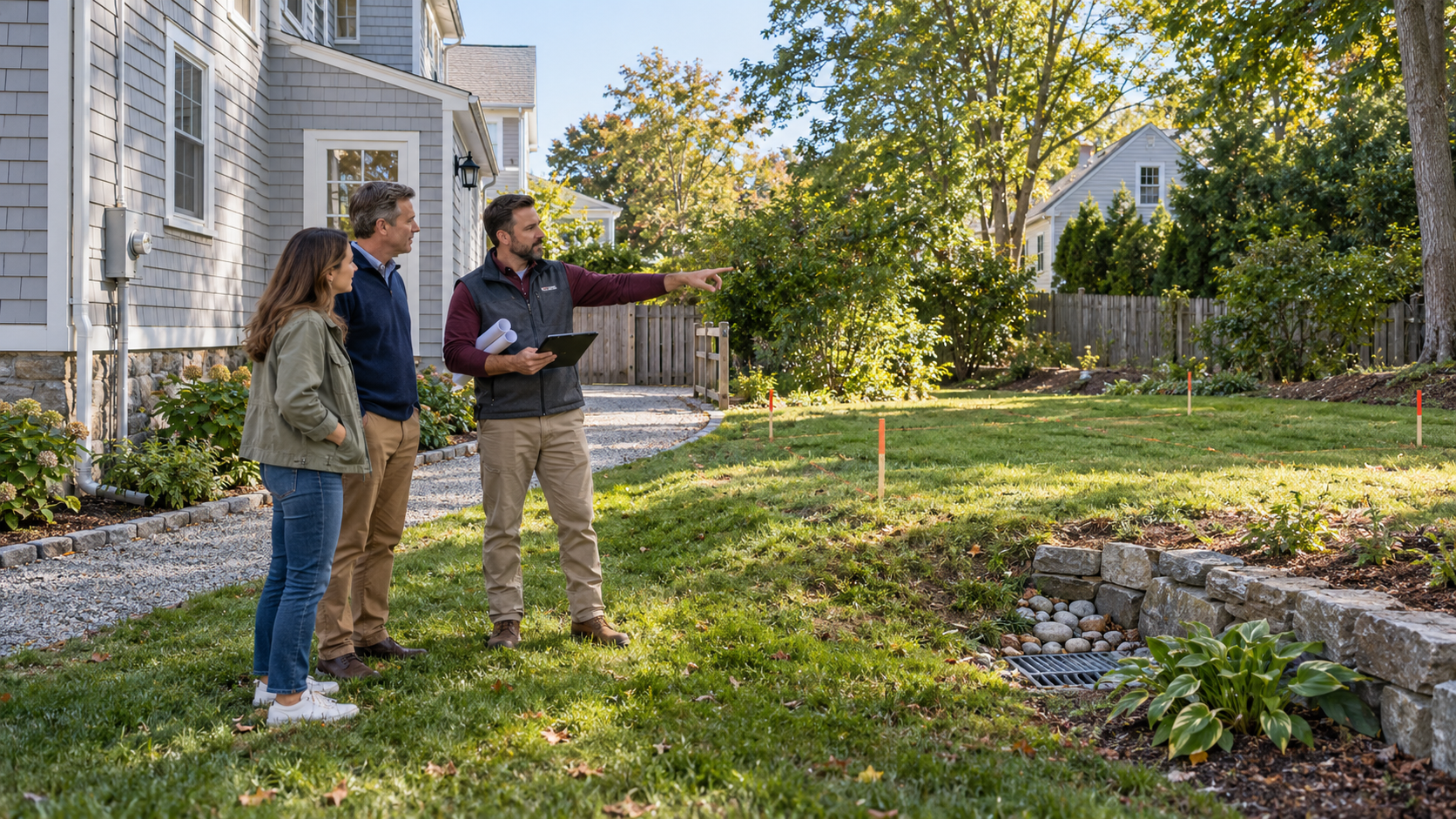
We handle everything — from feasibility to construction. Building an ADU in Massachusetts depends on zoning laws, lot size, setbacks, and local regulations, and we navigate it all upfront to help you avoid delays.
Navigating Local Rules
Can You Build an ADU in Massachusetts?
Zoning Rules
Property Layout
Permitting Process
Clear communication, reliable results
A proven process that delivers quality craftsmanship without surprises
Transparent updates
Step-by-step planning
OVER 20 YEARS OF EXPERIENCE
Skilled craftsmanship
Risk management
Trusted guidance
FULLY LICENSED & INSURED
Consistent quality
Client-focused
How Landmark Helps You Build an ADU with More Clarity and Less Guesswork
Property Review
01
02
Feasibility and Planning
03
Guidance Through Permitting and Requirements
04
Design-Build Coordination
05
Professional Project Execution
06
Project Support
Why Homeowners Trust Landmark
Dependable management, clear communication, and expert craftsmanship.
Jessica M.

Michael R.

Their team delivered quality work on time and stayed transparent about progress and challenges.
Samantha L.

David K.

Navigating Local Zoning & ADU Regulations
Understanding Municipal Roles in ADU Compliance
Massachusetts municipalities must align local zoning with the ADU Law by February 2, 2025. Any conflicting local provisions become unenforceable, ensuring Protected Use ADUs receive fair permitting without undue restrictions.

What happens if local zoning conflicts with the ADU Law?
Zoning rules inconsistent with the ADU Law or Regulations are unenforceable after February 2, 2025. Protected Use ADUs cannot be subjected to disallowed local regulations during permitting.
Municipalities must update zoning to comply, removing barriers that contradict state ADU provisions to facilitate lawful ADU development.
Does the EOHLC review or approve local ADU zoning?
The statute does not require EOHLC approval of ADU zoning. Instead, the Attorney General’s Office reviews zoning amendments for consistency with state law, excluding city zoning ordinances.
For more on the Attorney General’s review process, visit the Municipal Law Unit at Mass.gov.
What voting majority is needed to amend zoning for ADUs?
A simple majority vote suffices to allow ADUs as of right under the Zoning Act. More permissive rules may require a super-majority or separate votes.
Consult local legal counsel for guidance on voting thresholds and ordinance amendments.
Can multiple Protected Use ADUs be built on one lot with multi-unit dwellings?
Only one Protected Use ADU is allowed by right per lot, regardless of multiple principal dwellings. Additional ADUs require a Special Permit.
This ensures controlled development while allowing flexibility through local permitting processes.
Can municipalities restrict Protected Use ADUs to single-family homes only?
No. Municipalities cannot limit Protected Use ADUs to single-family lots. Recent Attorney General decisions affirm ADUs must be allowed in multi-family properties as well.
This broadens housing options and supports equitable access across property types.
Are municipalities allowed to limit ADU size below 900 square feet?
No. Local zoning cannot restrict Protected Use ADUs to less than 900 square feet but may allow larger sizes.
This standard protects minimum unit size while permitting local flexibility for larger ADUs.
Can cities impose rules on who may live in a Protected Use ADU?
No. The ADU law prohibits municipalities from regulating occupancy based on tenant characteristics, such as prohibiting college students.
Occupancy restrictions must comply with state law and cannot limit who may reside in an ADU.
Not Sure Where to Start? Start with a Property Review.
Request Your ADU Consultation
Landmark requires your home address to research zoning regulations, site constraints, and feasibility details related to your potential ADU project. This information is used solely to evaluate your property and will remain confidential.
Let's explore your options for an Accessory Dwelling Unit.
Office
8 Charlesview Rd, Hopedale, MA 01747
Phone
Office 508-482-0104
Contact Us
We will get back to you as soon as possible.
Please try again later.