



LANDMARK ASSOCIATES GENERAL CONTRACTING

More Than a Contractor. A Partner You Can Trust.

Work with a contractor who has a proven track record of building with purpose and precision. Whether it’s a commercial buildout, a multifamily capital improvement, or a custom home renovation, we deliver peace of mind, not just finished projects.


Expertise That Meets You Where You Are

You have enough on your plate and don't need "overseeing a construction project" on your to-do list. We give clear timelines, daily communication, and budget certainty for commercial build-outs, homeowners, property managers and multi-family developers.


Every client is unique, but all want the same thing: a smooth, successful project from start to finish.

Commercial Clients


Office, Retail, Medical, Hospitality,

and more.

Multi-Family Developers & Property Managers

Capital Improvements, Renovations, Maintenance Programs.


Residential Clients


Custom Homes, Kitchens, Bathrooms, Additions.

Featured Projects

This is paragraph text. Click it or hit the Manage Text button to change the font, color, size, format, and more. To set up site-wide paragraph and title styles, go to Site Theme.

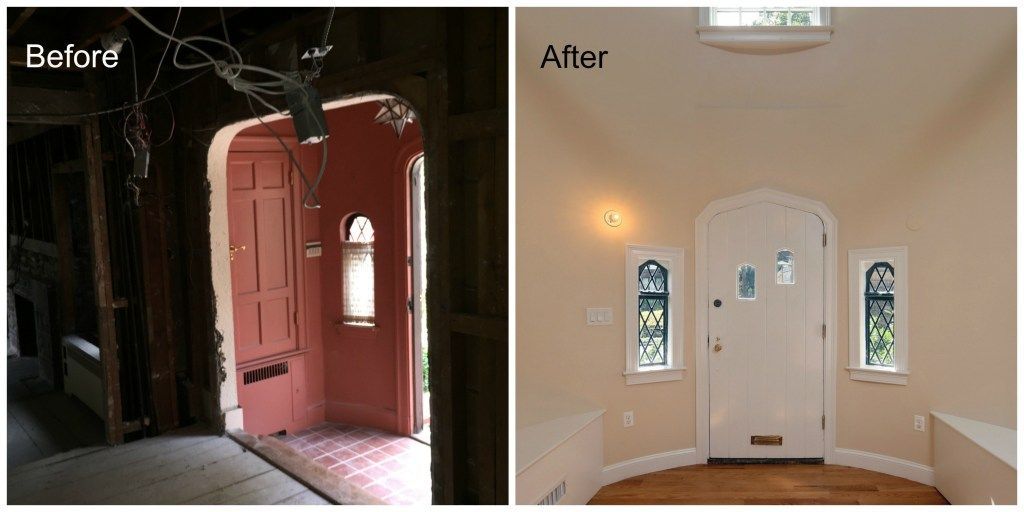
Before-and-after of a doorway renovation. The before shows a dilapidated doorway; the after shows a newly renovated one.

This is paragraph text. Click it or hit the Manage Text button to change the font, color, size, format, and more. To set up site-wide paragraph and title styles, go to Site Theme.

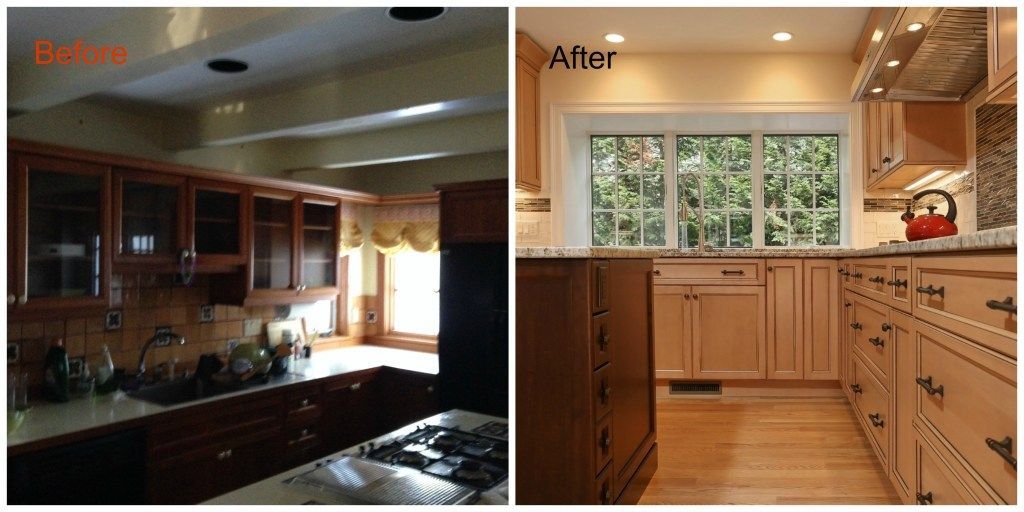
Before and after photos of a kitchen remodel. Dark cabinets replaced with light cabinets, brighter lighting.

This is paragraph text. Click it or hit the Manage Text button to change the font, color, size, format, and more. To set up site-wide paragraph and title styles, go to Site Theme.

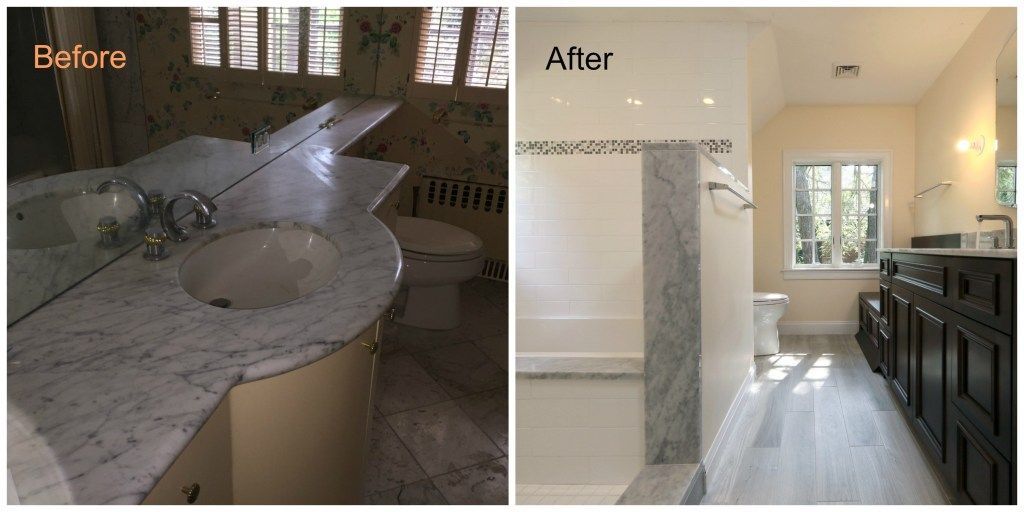
Bathroom renovation before and after: Old bathroom with ornate sink, new bathroom with modern vanity.

This is paragraph text. Click it or hit the Manage Text button to change the font, color, size, format, and more. To set up site-wide paragraph and title styles, go to Site Theme.

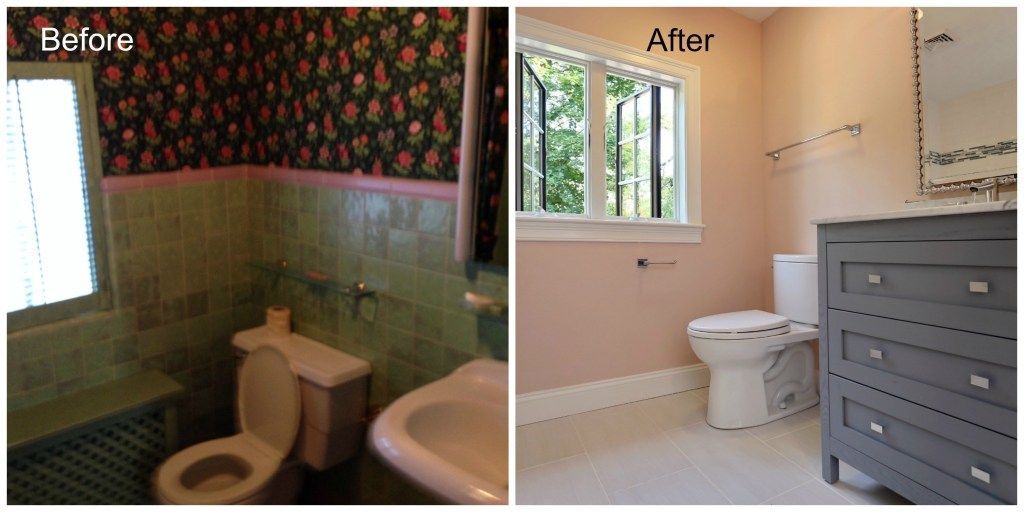
Bathroom remodel: before (dark floral wallpaper, green tile) and after (pink walls, white trim, gray vanity).

What Our Clients Say

Two men looking at empty shelves; one has a beard, the other gestures with his hand.

Allen G.

Restaurant Owner

Left double quotation mark.

"It’s rare to find a contractor this organized, communicative, and committed to quality."

Opening double quotation marks.

"Landmark handled our tenant fit-out with precision and kept us informed every step. Seamless experience."

Dave B.

Property Manager

Man holding a black coffee cup, smiling at the camera, inside a cafe.
Quotation mark symbol.

"When our home flooded, Landmark not only rebuilt it, but helped us navigate the entire insurance claim. They gave us back our home and our peace of mind."

Nancy W.

Homeowner

Older couple holding mugs, looking out window. Man in red hat, brown sweater; woman in white shirt, overalls.

Learn more about us.

Built for Confidence. Driven by Values.


Certificate icon with target symbol.

Fully Licensed & Insured

Your investment is protected from day 1.

Consistent Communication

Two overlapping speech bubbles.

No surprises. Daily updates keep you informed.


Local Expertise

Specialists in New England’s unique commercial and residential construction needs.

Person icon with shield, checkmark, and gear icon.

Reliable Trade Partners

Trusted professionals who uphold exacting standards.

Person icon with three gear icons.

Dedicated Project Manager

A single point of contact from start to finish.

Quality Craftsmanship

Every detail matters. Our quality speaks for itself.

Let's build something remarkable together.

Tell us about your project, big or small, and we’ll help you take the next best step.

Resources

By Caroline Brodsky April 10, 2026
Why Weather-Resistant Barriers Matter Exterior building systems are designed to protect a structure from water, air infiltration, and long-term structural damage. One of the most important components of that system is the weather-resistant barrier (WRB) —commonly known as house wrap. Despite how widely it’s used in modern construction, house wrap is often misunderstood. Many homeowners believe it completely blocks water or acts as a vapor barrier. It serves a more specific and important role within the building envelope. Understanding how house wrap works—and how it should be installed—can help property owners prevent costly moisture damage and improve energy efficiency. What House Wrap Actually Does House wrap is a protective membrane installed over exterior sheathing before siding is applied. Its job is to act as a secondary barrier against weather while still allowing moisture inside the wall system to escape. A properly installed house wrap helps: • Reduce water intrusion • Limit air infiltration • Allow moisture vapor to escape • Protect the building envelope during construction • Improve overall energy efficiency Common products used in construction include materials such as Tyvek and Typar, both designed to manage moisture while maintaining breathability. However, house wrap alone is not a complete waterproofing system. It works as part of a larger system that includes flashing, sealants, siding, and proper drainage. Common Myths About House Wrap Myth 1: House Wrap Is Waterproof House wrap helps shed water, but it is not designed to be a primary waterproof barrier. Proper flashing, siding, and installation details are required to keep water out of the wall system. Myth 2: House Wrap Is a Vapor Barrier House wrap is vapor permeable, meaning it allows moisture vapor to escape from the wall assembly. This helps prevent condensation buildup that can lead to mold or rot. Myth 3: All House Wrap Products Perform the Same Performance varies based on material quality, permeability ratings, and installation methods. Even high-quality products can fail if installed incorrectly. Myth 4: Once Installed, It Requires No Attention If flashing details, seams, or penetrations are handled poorly, water can still enter the building envelope. Installation quality matters just as much as the product itself. Why Proper Installation Matters Most water intrusion problems don’t come from the material itself. They come from installation errors. Manufacturers have very specific installation instructions for the product to perform as designed and approved. For instance, compatible tape products are not all the same and it is best to utilize the tape that comes from the manufacturer of the barrier and not mix and match products. In comparison, Zip wall panels are believed to incorporate the barrier into the product to save on the material and labor of installing the Vapor Barrier. This is not true. Zip wall panels are not a plywood sheathing product, it is an OSB (Orient Strand Board) with a very thin coating over the board. Across our industry the boards are installed incorrectly where only the seams between the panels are taped, but the nail holes at the attachment points are not sealed. When moisture enters the cavity area for any reason (exterior or interior via condensation etc.) and is able to get to the OSB board itself, the board will absorb the water and fall apart much more quickly than an actual plywood sheathing. Key steps in proper installation include: Surface Preparation Sheathing should be dry, clean, and securely fastened before installation begins. Correct Overlaps Wrap should be installed in horizontal layers with manufacturer-specified overlaps to prevent water penetration. Sealing Penetrations Windows, doors, vents, and other openings must be properly flashed and sealed. Tape and Seam Protection Compatible tapes should be used to seal seams and maintain air-barrier continuity. Inspection The installation should be inspected for wrinkles, gaps, or damaged sections before siding is installed. Even small installation mistakes can compromise the entire system. The Role of House Wrap in Building Durability When installed correctly, house wrap contributes to several long-term benefits: Energy Efficiency Reducing air leakage helps maintain interior temperature and can lower heating and cooling costs. Moisture Management Allowing trapped vapor to escape helps prevent mold, rot, and structural damage. Longer Building Lifespan A properly protected building envelope reduces maintenance issues over time. These benefits make weather-resistant barriers an essential part of modern exterior construction. When to Call a Professional Property owners should monitor their exterior envelope for early signs of failure, including: • Peeling siding • Interior moisture stains • Mold or mildew odors • Visible gaps around windows or trim If these issues appear, it may indicate problems with flashing, siding, or the weather barrier system behind it. Construction professionals can inspect the exterior envelope and identify whether repairs or upgrades are needed. The Bottom Line House wrap plays an important role in protecting a building—but it is not a standalone solution. Its effectiveness depends on: • Product quality • Proper installation • Integration with flashing and siding systems When these elements work together, house wrap helps protect a property from moisture damage, improves energy performance, and contributes to the long-term durability of the structure. At Landmark Associates, our team focuses on delivering clear communication, reliable construction practices , and properly executed building envelope systems to ensure every project performs as intended. Need Help Evaluating Your Exterior Envelope? If you’re planning side replacement, exterior repairs, or renovation work, a professional evaluation of your building envelope can help identify potential risks before they become costly problems. Contact Landmark Associates to schedule a walkthrough and discuss the best approach for protecting your property.
By Caroline Brodsky March 23, 2026
The housing affordability crisis continues to impact communities across Massachusetts and the broader U.S. Rising construction costs, regulatory complexity, and limited housing supply have made it increasingly difficult to build, renovate, and expand housing inventory. Recent executive actions announced at the federal level aim to address these challenges by reducing regulatory barriers, accelerating project approvals, and increasing housing development opportunities. For property owners, developers, and asset managers, this signals a shift — and an opportunity.
By Caroline Brodsky March 10, 2026
Managing commercial buildings today is more complex than ever. Property managers and facility teams across Massachusetts and New England are facing aging infrastructure, rising construction costs, and increasing pressure to keep buildings safe, modern, and operational.  Whether you manage a multifamily property, office building, or mixed-use development, the success of your commercial renovation or repair project often comes down to one thing: working with a contractor who understands the challenges of commercial properties.
By Caroline Brodsky February 23, 2026
When severe winter storms hit Massachusetts and Rhode Island, property damage isn’t just possible — it’s common. Freezing temperatures, heavy snow, and ice buildup can quickly turn into burst pipes, roof damage, water intrusion, and costly emergency repairs. 

Planning a project?

Start with the right info. Explore our resources hub.

Stack of coins in front of a blurred clock. Focus is on the silver coins, hinting at wealth and time.

Financing & Insurance Help

Worker on lift repairing roof of a brick building with orange tile roof.

Project Planning Process

Hands reviewing documents on a desk with a laptop, plant, and notepad in view.

ADA & Compliance Tips

Trusted Across the Industries We Serve

Proud members of leading organizations supporting property management, housing, and the commercial building industry throughout New England.

Latest News

By Caroline Brodsky April 10, 2026
Why Weather-Resistant Barriers Matter Exterior building systems are designed to protect a structure from water, air infiltration, and long-term structural damage. One of the most important components of that system is the weather-resistant barrier (WRB) —commonly known as house wrap. Despite how widely it’s used in modern construction, house wrap is often misunderstood. Many homeowners believe it completely blocks water or acts as a vapor barrier. It serves a more specific and important role within the building envelope. Understanding how house wrap works—and how it should be installed—can help property owners prevent costly moisture damage and improve energy efficiency. What House Wrap Actually Does House wrap is a protective membrane installed over exterior sheathing before siding is applied. Its job is to act as a secondary barrier against weather while still allowing moisture inside the wall system to escape. A properly installed house wrap helps: • Reduce water intrusion • Limit air infiltration • Allow moisture vapor to escape • Protect the building envelope during construction • Improve overall energy efficiency Common products used in construction include materials such as Tyvek and Typar, both designed to manage moisture while maintaining breathability. However, house wrap alone is not a complete waterproofing system. It works as part of a larger system that includes flashing, sealants, siding, and proper drainage. Common Myths About House Wrap Myth 1: House Wrap Is Waterproof House wrap helps shed water, but it is not designed to be a primary waterproof barrier. Proper flashing, siding, and installation details are required to keep water out of the wall system. Myth 2: House Wrap Is a Vapor Barrier House wrap is vapor permeable, meaning it allows moisture vapor to escape from the wall assembly. This helps prevent condensation buildup that can lead to mold or rot. Myth 3: All House Wrap Products Perform the Same Performance varies based on material quality, permeability ratings, and installation methods. Even high-quality products can fail if installed incorrectly. Myth 4: Once Installed, It Requires No Attention If flashing details, seams, or penetrations are handled poorly, water can still enter the building envelope. Installation quality matters just as much as the product itself. Why Proper Installation Matters Most water intrusion problems don’t come from the material itself. They come from installation errors. Manufacturers have very specific installation instructions for the product to perform as designed and approved. For instance, compatible tape products are not all the same and it is best to utilize the tape that comes from the manufacturer of the barrier and not mix and match products. In comparison, Zip wall panels are believed to incorporate the barrier into the product to save on the material and labor of installing the Vapor Barrier. This is not true. Zip wall panels are not a plywood sheathing product, it is an OSB (Orient Strand Board) with a very thin coating over the board. Across our industry the boards are installed incorrectly where only the seams between the panels are taped, but the nail holes at the attachment points are not sealed. When moisture enters the cavity area for any reason (exterior or interior via condensation etc.) and is able to get to the OSB board itself, the board will absorb the water and fall apart much more quickly than an actual plywood sheathing. Key steps in proper installation include: Surface Preparation Sheathing should be dry, clean, and securely fastened before installation begins. Correct Overlaps Wrap should be installed in horizontal layers with manufacturer-specified overlaps to prevent water penetration. Sealing Penetrations Windows, doors, vents, and other openings must be properly flashed and sealed. Tape and Seam Protection Compatible tapes should be used to seal seams and maintain air-barrier continuity. Inspection The installation should be inspected for wrinkles, gaps, or damaged sections before siding is installed. Even small installation mistakes can compromise the entire system. The Role of House Wrap in Building Durability When installed correctly, house wrap contributes to several long-term benefits: Energy Efficiency Reducing air leakage helps maintain interior temperature and can lower heating and cooling costs. Moisture Management Allowing trapped vapor to escape helps prevent mold, rot, and structural damage. Longer Building Lifespan A properly protected building envelope reduces maintenance issues over time. These benefits make weather-resistant barriers an essential part of modern exterior construction. When to Call a Professional Property owners should monitor their exterior envelope for early signs of failure, including: • Peeling siding • Interior moisture stains • Mold or mildew odors • Visible gaps around windows or trim If these issues appear, it may indicate problems with flashing, siding, or the weather barrier system behind it. Construction professionals can inspect the exterior envelope and identify whether repairs or upgrades are needed. The Bottom Line House wrap plays an important role in protecting a building—but it is not a standalone solution. Its effectiveness depends on: • Product quality • Proper installation • Integration with flashing and siding systems When these elements work together, house wrap helps protect a property from moisture damage, improves energy performance, and contributes to the long-term durability of the structure. At Landmark Associates, our team focuses on delivering clear communication, reliable construction practices , and properly executed building envelope systems to ensure every project performs as intended. Need Help Evaluating Your Exterior Envelope? If you’re planning side replacement, exterior repairs, or renovation work, a professional evaluation of your building envelope can help identify potential risks before they become costly problems. Contact Landmark Associates to schedule a walkthrough and discuss the best approach for protecting your property.
By Caroline Brodsky March 23, 2026
The housing affordability crisis continues to impact communities across Massachusetts and the broader U.S. Rising construction costs, regulatory complexity, and limited housing supply have made it increasingly difficult to build, renovate, and expand housing inventory. Recent executive actions announced at the federal level aim to address these challenges by reducing regulatory barriers, accelerating project approvals, and increasing housing development opportunities. For property owners, developers, and asset managers, this signals a shift — and an opportunity.
By Caroline Brodsky March 10, 2026
Managing commercial buildings today is more complex than ever. Property managers and facility teams across Massachusetts and New England are facing aging infrastructure, rising construction costs, and increasing pressure to keep buildings safe, modern, and operational.  Whether you manage a multifamily property, office building, or mixed-use development, the success of your commercial renovation or repair project often comes down to one thing: working with a contractor who understands the challenges of commercial properties.