Why Early Planning Matters
Waiting until a repair becomes urgent can reduce the time available to evaluate options, coordinate materials, compare approaches, and build the work into a realistic budget. Emergency conditions may also create greater disruption for residents, tenants, and daily property operations.
Planning ahead gives your team time to:
- Establish a realistic preliminary budget
- Identify material, access, and scheduling risks
- Prioritize repairs based on urgency and long-term impact
- Determine whether work should be completed at once or in phases
- Coordinate decisions with ownership, boards, residents, and tenants
- Reduce the risk of unexpected costs and last-minute changes
Start by Looking at the Entire Property
Capital planning is not only about choosing a project. It begins with understanding how different building needs relate to one another.
For example, visible interior water damage may point to an exterior envelope, roofing, masonry, or waterproofing issue. Replacing interior finishes before addressing the source of the problem could lead to repeated work and additional expense.
A broader review can help property teams identify the correct order of operations, group related repairs, and make decisions that support the long-term performance of the building.
Consider a Phased Approach
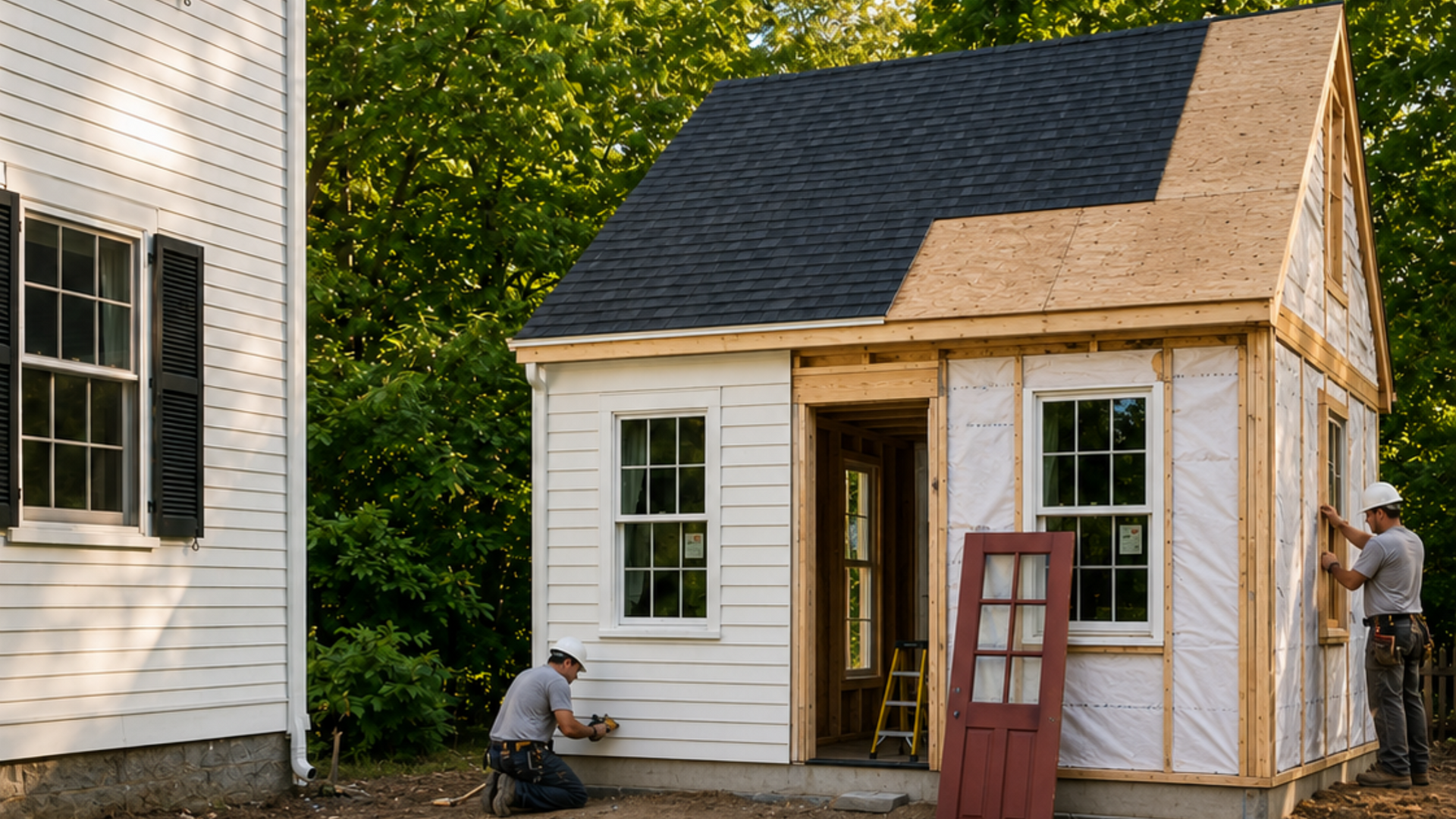
Not every project needs to be completed at one time. When budgets, occupancy, or site conditions create limitations, a phased plan may allow critical work to move forward while remaining needs are scheduled over time.
The right approach will depend on the condition of the property, project urgency, available funding, material lead times, and the level of disruption the building can accommodate. Evaluating these factors early creates more flexibility and helps stakeholders make informed decisions before a need becomes an emergency.
Plan Early. Build With Confidence.
Landmark Associates works with property management, facility, ownership, and association teams throughout Massachusetts, Rhode Island, and Southern New Hampshire. We help clients evaluate repairs, renovations, maintenance needs, and capital improvement projects with a focus on clear communication, practical planning, and dependable execution.
If your team is reviewing upcoming property needs, Landmark can help you identify priorities and develop a practical path forward.
Contact Landmark Associates to begin the conversation.
Phone: (508) 482-0104
Website: landmarkassoc.com
Industry reference: Associated General Contractors of America, June 11, 2026