Construction & Property Management Trends Shaping 2026 — And How Landmark Helps Clients Stay Ahead

Caroline Brodsky • May 22, 2026

The construction and property management industries continue to evolve quickly in 2026. Rising material costs, labor shortages, tighter project timelines, and increasing pressure on property performance are forcing owners, property managers, and facility teams to make smarter, faster decisions than ever before.
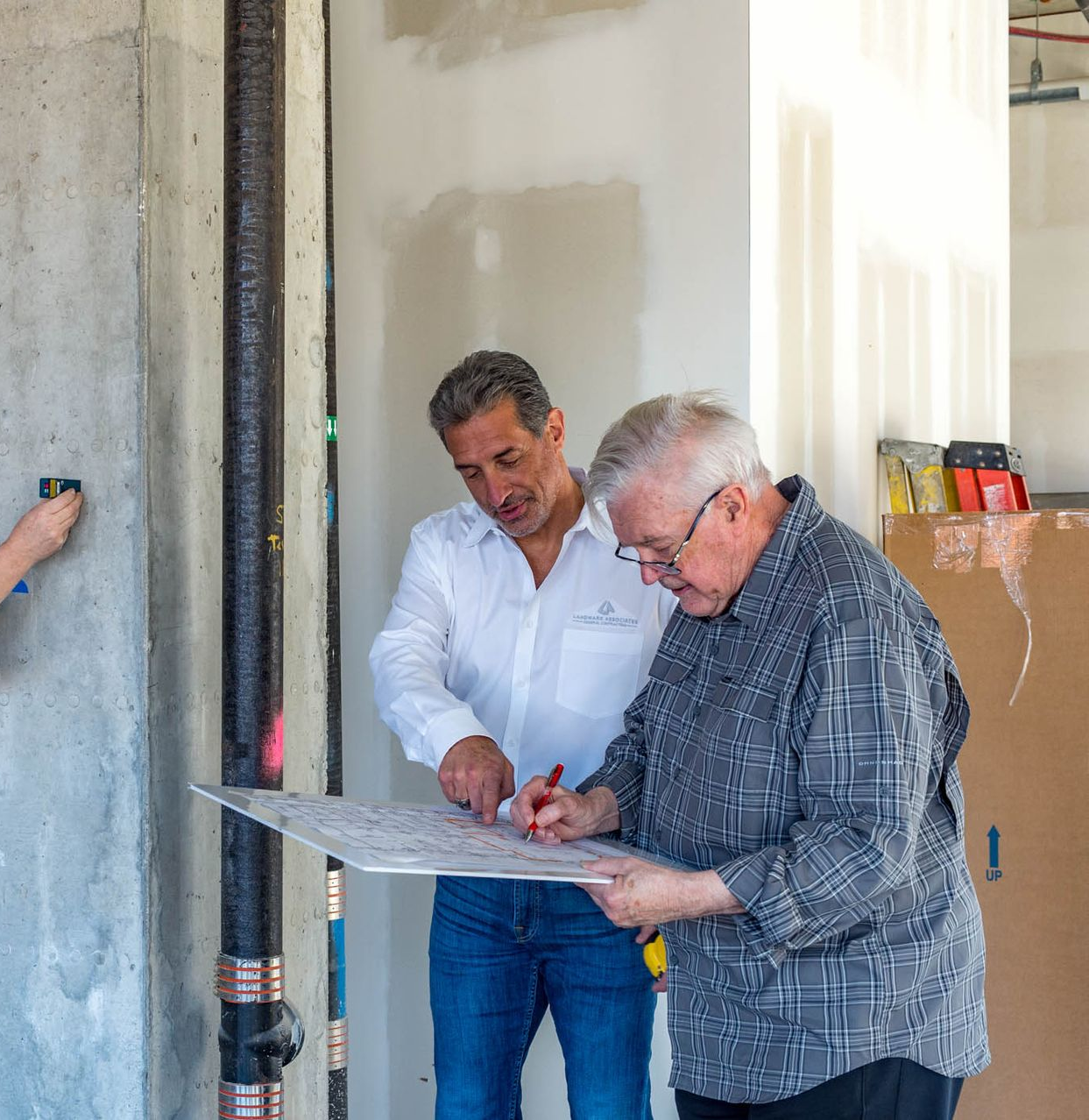
At Landmark Associates, we work directly with commercial property teams, facility managers, HOAs, and building owners throughout Massachusetts and New England, so we see these challenges firsthand. More importantly, we help clients navigate them with clear communication, proactive planning, and reliable project execution.


1. Preventative Maintenance Is Becoming a Priority


Many property owners are shifting away from reactive repairs and focusing more heavily on preventative maintenance programs. Delaying repairs often leads to larger structural issues, tenant disruptions, emergency costs, and longer downtime.

Exterior envelope failures, roofing issues, water intrusion, aging decks, and deferred capital projects are some of the most common problems property teams are trying to address before they escalate.


At Landmark, we help clients identify risks early, prioritize repairs, and create practical solutions that protect both the property and the long-term budget. Our approach is built around transparency, documentation, and helping clients avoid costly surprises.


2. Communication and Reliability Matter More Than Ever


One of the biggest frustrations we continue to hear from property and facility managers is inconsistent communication from contractors. Delays, unclear timelines, and lack of project visibility create unnecessary stress for property teams and tenants alike.


Today’s clients are looking for partners who provide:


  • Clear scheduling and timelines
  • Fast response times
  • Ongoing project updates
  • Clean documentation
  • Predictable outcomes


Landmark was built around solving exactly these issues. Our team prioritizes responsiveness, proactive communication, and organized project management from walkthrough to completion.


3. Capital Improvement Planning Is Accelerating


Across multifamily, commercial, and mixed-use properties, many owners are increasing investment in:


  • Exterior renovations
  • Structural repairs
  • Waterproofing
  • Roofing systems
  • Interior modernization
  • Safety and code compliance upgrades


As buildings age, capital planning becomes critical to preserving property value, minimizing liability, and improving tenant experience.


Landmark specializes in renovation, restoration, and multi-trade commercial projects, helping property teams execute projects efficiently while minimizing disruption to occupants and operations.


4. Labor and Material Challenges Continue to Impact Timelines


Although supply chain conditions have improved compared to previous years, labor shortages and fluctuating material costs are still impacting project schedules across the industry.


Successful projects today require:


  • Strong subcontractor coordination
  • Flexible scheduling
  • Experienced project management
  • Early planning and procurement
  • Realistic budgeting


Landmark’s experienced team takes a hands-on approach to project execution, helping clients navigate these challenges while maintaining quality, budget control, and schedule accountability.


5. Property Teams Need Trusted Long-Term Partners


In today’s environment, property managers and facility teams are not simply looking for a contractor to complete one project. They are looking for long-term partners they can trust across multiple properties and ongoing needs.


That means working with teams who:

  • Understand occupied environments
  • Respond quickly during emergencies
  • Communicate clearly
  • Deliver consistent workmanship
  • Reduce operational risk


At Landmark, our focus has always been relationship-driven. Many of our clients continue to partner with us project after project because they know they can rely on our team to solve problems, stay organized, and deliver high-quality work with professionalism and care.


How Landmark Can Help

With over 20 years of experience serving commercial, multifamily, mixed-use, and residential properties, Landmark Associates provides dependable support for:

  • Renovations and remodeling
  • Exterior envelope restoration
  • Structural and deck repairs
  • Waterproofing and masonry
  • Roofing solutions
  • Interior finishes
  • Insurance claim renovations
  • Ongoing maintenance programs


We are fully licensed and insured in Massachusetts and Rhode Island and also support select projects throughout Southern New Hampshire. Our team understands the challenges property owners and managers face in today’s market and works proactively to deliver organized, transparent, and high-quality project execution from start to finish.


Our goal is simple: reduce risk, improve communication, and help clients complete projects with confidence.


Let’s Talk About Your Property Goals

Whether you are planning a capital improvement project, evaluating building repairs, or simply looking for a reliable construction partner, Landmark Associates is here as a resource.


Contact our team to schedule a walkthrough or discuss upcoming project needs:
πŸ“ž 508-482-0104
πŸ“§ [email protected]
🌐 www.landmarkassoc.com


By Caroline Brodsky April 15, 2026
Getting denied for an Accessory Dwelling Unit (ADU) in Massachusetts can feel like a dead end, but in most cases, it’s not. ο»Ώ
By Caroline Brodsky April 10, 2026
Why Weather-Resistant Barriers Matter Exterior building systems are designed to protect a structure from water, air infiltration, and long-term structural damage. One of the most important components of that system is the weather-resistant barrier (WRB) —commonly known as house wrap. Despite how widely it’s used in modern construction, house wrap is often misunderstood. Many homeowners believe it completely blocks water or acts as a vapor barrier. It serves a more specific and important role within the building envelope. Understanding how house wrap works—and how it should be installed—can help property owners prevent costly moisture damage and improve energy efficiency. What House Wrap Actually Does House wrap is a protective membrane installed over exterior sheathing before siding is applied. Its job is to act as a secondary barrier against weather while still allowing moisture inside the wall system to escape. A properly installed house wrap helps: • Reduce water intrusion • Limit air infiltration • Allow moisture vapor to escape • Protect the building envelope during construction • Improve overall energy efficiency Common products used in construction include materials such as Tyvek and Typar, both designed to manage moisture while maintaining breathability. However, house wrap alone is not a complete waterproofing system. It works as part of a larger system that includes flashing, sealants, siding, and proper drainage. Common Myths About House Wrap Myth 1: House Wrap Is Waterproof House wrap helps shed water, but it is not designed to be a primary waterproof barrier. Proper flashing, siding, and installation details are required to keep water out of the wall system. Myth 2: House Wrap Is a Vapor Barrier House wrap is vapor permeable, meaning it allows moisture vapor to escape from the wall assembly. This helps prevent condensation buildup that can lead to mold or rot. Myth 3: All House Wrap Products Perform the Same Performance varies based on material quality, permeability ratings, and installation methods. Even high-quality products can fail if installed incorrectly. Myth 4: Once Installed, It Requires No Attention If flashing details, seams, or penetrations are handled poorly, water can still enter the building envelope. Installation quality matters just as much as the product itself. Why Proper Installation Matters Most water intrusion problems don’t come from the material itself. They come from installation errors. Manufacturers have very specific installation instructions for the product to perform as designed and approved. For instance, compatible tape products are not all the same and it is best to utilize the tape that comes from the manufacturer of the barrier and not mix and match products. In comparison, Zip wall panels are believed to incorporate the barrier into the product to save on the material and labor of installing the Vapor Barrier. This is not true. Zip wall panels are not a plywood sheathing product, it is an OSB (Orient Strand Board) with a very thin coating over the board. Across our industry the boards are installed incorrectly where only the seams between the panels are taped, but the nail holes at the attachment points are not sealed. When moisture enters the cavity area for any reason (exterior or interior via condensation etc.) and is able to get to the OSB board itself, the board will absorb the water and fall apart much more quickly than an actual plywood sheathing. Key steps in proper installation include: Surface Preparation Sheathing should be dry, clean, and securely fastened before installation begins. Correct Overlaps Wrap should be installed in horizontal layers with manufacturer-specified overlaps to prevent water penetration. Sealing Penetrations Windows, doors, vents, and other openings must be properly flashed and sealed. Tape and Seam Protection Compatible tapes should be used to seal seams and maintain air-barrier continuity. Inspection The installation should be inspected for wrinkles, gaps, or damaged sections before siding is installed. Even small installation mistakes can compromise the entire system. The Role of House Wrap in Building Durability When installed correctly, house wrap contributes to several long-term benefits: Energy Efficiency Reducing air leakage helps maintain interior temperature and can lower heating and cooling costs. Moisture Management Allowing trapped vapor to escape helps prevent mold, rot, and structural damage. Longer Building Lifespan A properly protected building envelope reduces maintenance issues over time. These benefits make weather-resistant barriers an essential part of modern exterior construction. When to Call a Professional Property owners should monitor their exterior envelope for early signs of failure, including: • Peeling siding • Interior moisture stains • Mold or mildew odors • Visible gaps around windows or trim If these issues appear, it may indicate problems with flashing, siding, or the weather barrier system behind it. Construction professionals can inspect the exterior envelope and identify whether repairs or upgrades are needed. The Bottom Line House wrap plays an important role in protecting a building—but it is not a standalone solution. Its effectiveness depends on: • Product quality • Proper installation • Integration with flashing and siding systems When these elements work together, house wrap helps protect a property from moisture damage, improves energy performance, and contributes to the long-term durability of the structure. At Landmark Associates, our team focuses on delivering clear communication, reliable construction practices , and properly executed building envelope systems to ensure every project performs as intended. Need Help Evaluating Your Exterior Envelope? If you’re planning side replacement, exterior repairs, or renovation work, a professional evaluation of your building envelope can help identify potential risks before they become costly problems. Contact Landmark Associates to schedule a walkthrough and discuss the best approach for protecting your property.
By Caroline Brodsky March 23, 2026
The housing affordability crisis continues to impact communities across Massachusetts and the broader U.S. Rising construction costs, regulatory complexity, and limited housing supply have made it increasingly difficult to build, renovate, and expand housing inventory. Recent executive actions announced at the federal level aim to address these challenges by reducing regulatory barriers, accelerating project approvals, and increasing housing development opportunities. For property owners, developers, and asset managers, this signals a shift — and an opportunity.