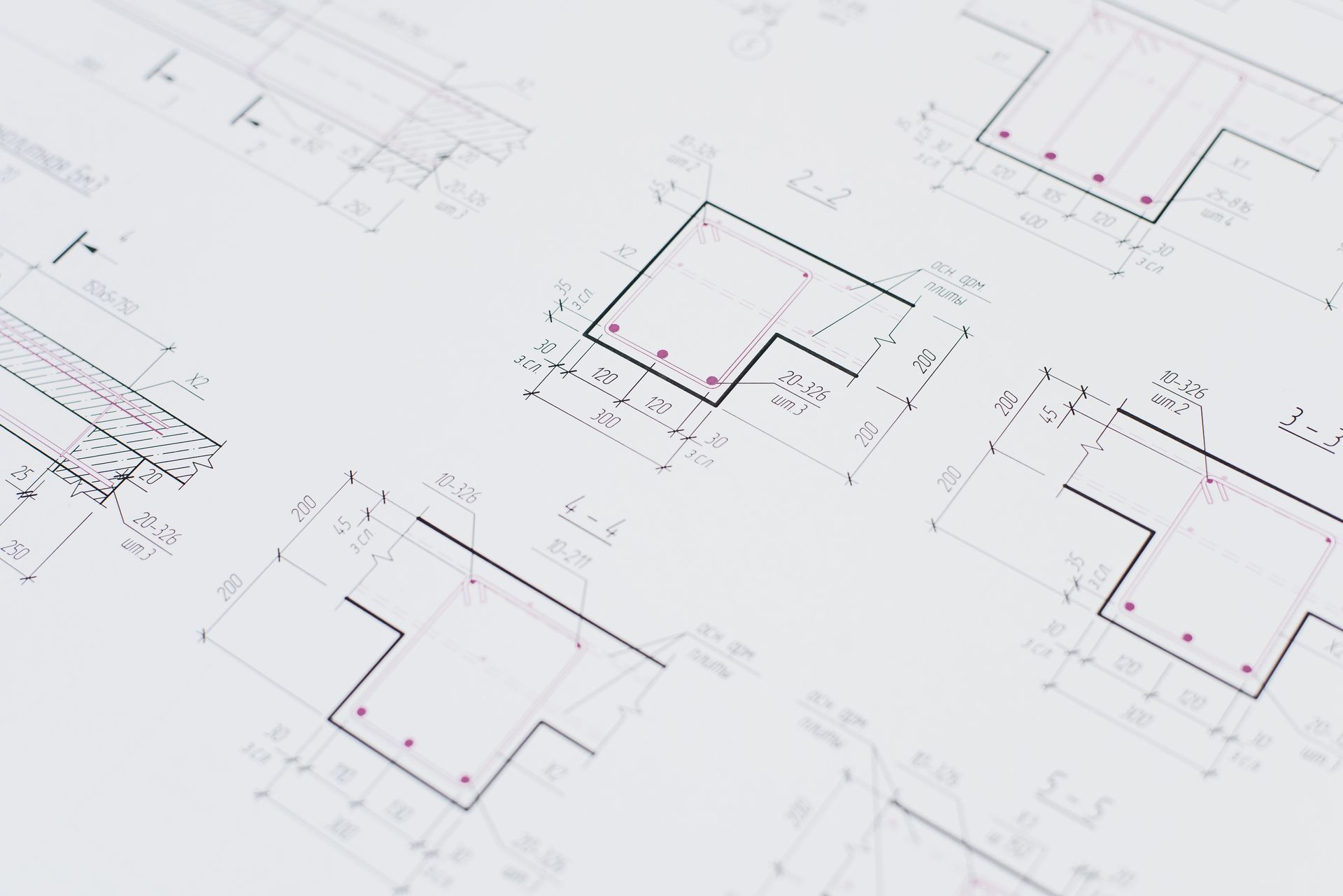
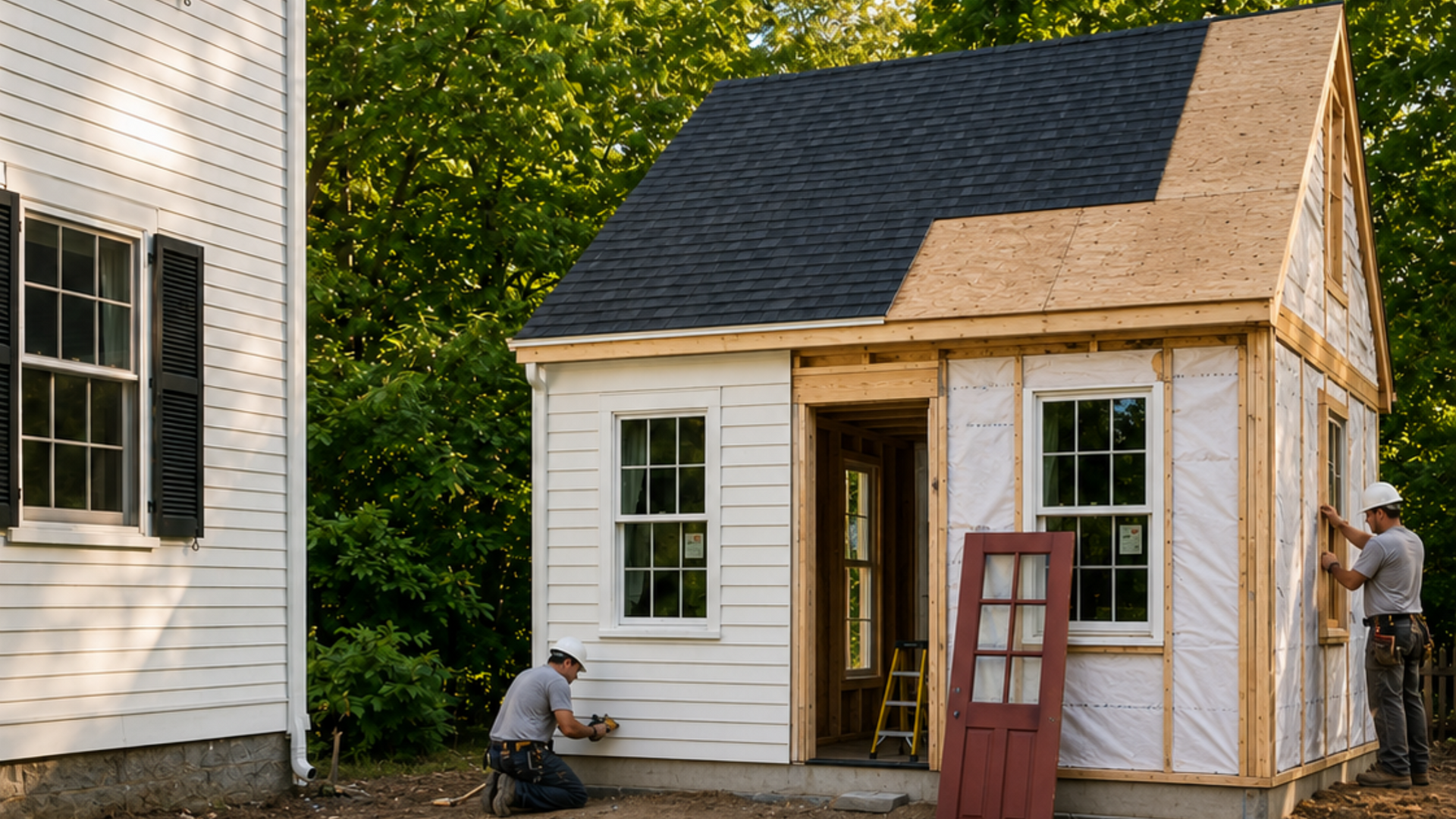
Latest Industry Update: New Executive Orders Aim to Ease Housing Affordability — What It Means for Property Owners & Developers

Caroline Brodsky • March 23, 2026

The housing affordability crisis continues to impact communities across Massachusetts and the broader U.S. Rising construction costs, regulatory complexity, and limited housing supply have made it increasingly difficult to build, renovate, and expand housing inventory.


Recent executive actions announced at the federal level aim to address these challenges by reducing regulatory barriers, accelerating project approvals, and increasing housing development opportunities.


For property owners, developers, and asset managers, this signals a shift — and an opportunity.

What’s Changing

The newly proposed executive orders focus on one core goal: making it easier and faster to build housing.

Key areas of impact include:

  • Streamlining permitting and approval processes
  • Reducing regulatory delays that slow down projects
  • Encouraging development at the state and local level
  • Increasing the availability of land and resources for housing


While these changes are still evolving, the direction is clear: less friction in the construction process and more support for housing development.


Why This Matters in Massachusetts

Massachusetts has long faced some of the most complex zoning and permitting challenges in the country.

For property managers, developers, and homeowners, this often means:

  • Delayed project timelines
  • Increased costs due to regulatory hurdles
  • Difficulty getting approvals for additions, renovations, or ADUs
  • Missed opportunities to maximize property value


Even with federal efforts to ease these issues, navigating local and state requirements will remain a critical part of any successful project.


That’s where the right construction partner makes a difference.


Where Landmark Fits In

At Landmark Associates, we’ve built our reputation on helping clients successfully navigate complex projects — not just building them, but guiding them from concept through completion.

We understand that construction today isn’t just about materials and labor. It’s about:

  • Permitting and compliance
  • Coordinating with local and state requirements
  • Managing timelines and expectations
  • Identifying risks before they become costly problems


Our team works closely with property managers, asset managers, and homeowners to reduce uncertainty and keep projects moving forward — even in challenging regulatory environments.


Turning Policy Changes Into Real Projects

As regulations begin to shift, the biggest opportunity isn’t just awareness — it’s execution.

Property owners who act early will be in the best position to:

  • Move forward with delayed projects
  • Explore new development opportunities
  • Add value through renovations or expansions
  • Stay ahead of increasing demand for housing


But success depends on having a team that can move quickly, communicate clearly, and deliver predictable outcomes.


That’s been the foundation of Landmark for over 20 years — high-quality work, strong project management, and a process built around transparency and trust.


What You Should Be Doing Now

If you own or manage property in Massachusetts, now is the time to start evaluating:

  • Projects that were previously delayed due to permitting challenges
  • Opportunities for additions, renovations, or ADUs
  • Capital improvement plans that can move forward as regulations evolve
  • Building conditions that could benefit from proactive upgrades


Early planning positions you to take advantage of any regulatory improvements as they roll out.


Final Thoughts


The push to improve housing affordability is creating momentum across the construction and real estate industries.


While policy changes may help remove barriers, successful projects will still depend on execution, coordination, and experience.


At Landmark, we focus on making that process clear, efficient, and reliable — so you can move forward with confidence.


Planning a project or exploring new opportunities?
Let’s talk through your options and build a clear path forward.

📞 508-482-0104
🌐
www.landmarkassoc.com

By Caroline Brodsky April 15, 2026
Getting denied for an Accessory Dwelling Unit (ADU) in Massachusetts can feel like a dead end, but in most cases, it’s not. 
By Caroline Brodsky April 10, 2026
Why Weather-Resistant Barriers Matter Exterior building systems are designed to protect a structure from water, air infiltration, and long-term structural damage. One of the most important components of that system is the weather-resistant barrier (WRB) —commonly known as house wrap. Despite how widely it’s used in modern construction, house wrap is often misunderstood. Many homeowners believe it completely blocks water or acts as a vapor barrier. It serves a more specific and important role within the building envelope. Understanding how house wrap works—and how it should be installed—can help property owners prevent costly moisture damage and improve energy efficiency. What House Wrap Actually Does House wrap is a protective membrane installed over exterior sheathing before siding is applied. Its job is to act as a secondary barrier against weather while still allowing moisture inside the wall system to escape. A properly installed house wrap helps: • Reduce water intrusion • Limit air infiltration • Allow moisture vapor to escape • Protect the building envelope during construction • Improve overall energy efficiency Common products used in construction include materials such as Tyvek and Typar, both designed to manage moisture while maintaining breathability. However, house wrap alone is not a complete waterproofing system. It works as part of a larger system that includes flashing, sealants, siding, and proper drainage. Common Myths About House Wrap Myth 1: House Wrap Is Waterproof House wrap helps shed water, but it is not designed to be a primary waterproof barrier. Proper flashing, siding, and installation details are required to keep water out of the wall system. Myth 2: House Wrap Is a Vapor Barrier House wrap is vapor permeable, meaning it allows moisture vapor to escape from the wall assembly. This helps prevent condensation buildup that can lead to mold or rot. Myth 3: All House Wrap Products Perform the Same Performance varies based on material quality, permeability ratings, and installation methods. Even high-quality products can fail if installed incorrectly. Myth 4: Once Installed, It Requires No Attention If flashing details, seams, or penetrations are handled poorly, water can still enter the building envelope. Installation quality matters just as much as the product itself. Why Proper Installation Matters Most water intrusion problems don’t come from the material itself. They come from installation errors. Manufacturers have very specific installation instructions for the product to perform as designed and approved. For instance, compatible tape products are not all the same and it is best to utilize the tape that comes from the manufacturer of the barrier and not mix and match products. In comparison, Zip wall panels are believed to incorporate the barrier into the product to save on the material and labor of installing the Vapor Barrier. This is not true. Zip wall panels are not a plywood sheathing product, it is an OSB (Orient Strand Board) with a very thin coating over the board. Across our industry the boards are installed incorrectly where only the seams between the panels are taped, but the nail holes at the attachment points are not sealed. When moisture enters the cavity area for any reason (exterior or interior via condensation etc.) and is able to get to the OSB board itself, the board will absorb the water and fall apart much more quickly than an actual plywood sheathing. Key steps in proper installation include: Surface Preparation Sheathing should be dry, clean, and securely fastened before installation begins. Correct Overlaps Wrap should be installed in horizontal layers with manufacturer-specified overlaps to prevent water penetration. Sealing Penetrations Windows, doors, vents, and other openings must be properly flashed and sealed. Tape and Seam Protection Compatible tapes should be used to seal seams and maintain air-barrier continuity. Inspection The installation should be inspected for wrinkles, gaps, or damaged sections before siding is installed. Even small installation mistakes can compromise the entire system. The Role of House Wrap in Building Durability When installed correctly, house wrap contributes to several long-term benefits: Energy Efficiency Reducing air leakage helps maintain interior temperature and can lower heating and cooling costs. Moisture Management Allowing trapped vapor to escape helps prevent mold, rot, and structural damage. Longer Building Lifespan A properly protected building envelope reduces maintenance issues over time. These benefits make weather-resistant barriers an essential part of modern exterior construction. When to Call a Professional Property owners should monitor their exterior envelope for early signs of failure, including: • Peeling siding • Interior moisture stains • Mold or mildew odors • Visible gaps around windows or trim If these issues appear, it may indicate problems with flashing, siding, or the weather barrier system behind it. Construction professionals can inspect the exterior envelope and identify whether repairs or upgrades are needed. The Bottom Line House wrap plays an important role in protecting a building—but it is not a standalone solution. Its effectiveness depends on: • Product quality • Proper installation • Integration with flashing and siding systems When these elements work together, house wrap helps protect a property from moisture damage, improves energy performance, and contributes to the long-term durability of the structure. At Landmark Associates, our team focuses on delivering clear communication, reliable construction practices , and properly executed building envelope systems to ensure every project performs as intended. Need Help Evaluating Your Exterior Envelope? If you’re planning side replacement, exterior repairs, or renovation work, a professional evaluation of your building envelope can help identify potential risks before they become costly problems. Contact Landmark Associates to schedule a walkthrough and discuss the best approach for protecting your property.
By Caroline Brodsky March 10, 2026
Managing commercial buildings today is more complex than ever. Property managers and facility teams across Massachusetts and New England are facing aging infrastructure, rising construction costs, and increasing pressure to keep buildings safe, modern, and operational.  Whether you manage a multifamily property, office building, or mixed-use development, the success of your commercial renovation or repair project often comes down to one thing: working with a contractor who understands the challenges of commercial properties.