The Biggest Commercial Building Renovation Challenges Property Managers Face in 2026
Managing commercial buildings today is more complex than ever. Property managers and facility teams across Massachusetts and New England are facing aging infrastructure, rising construction costs, and increasing pressure to keep buildings safe, modern, and operational.
Whether you manage a multifamily property, office building, or mixed-use development, the success of your commercial renovation or repair project often comes down to one thing: working with a contractor who understands the challenges of commercial properties.
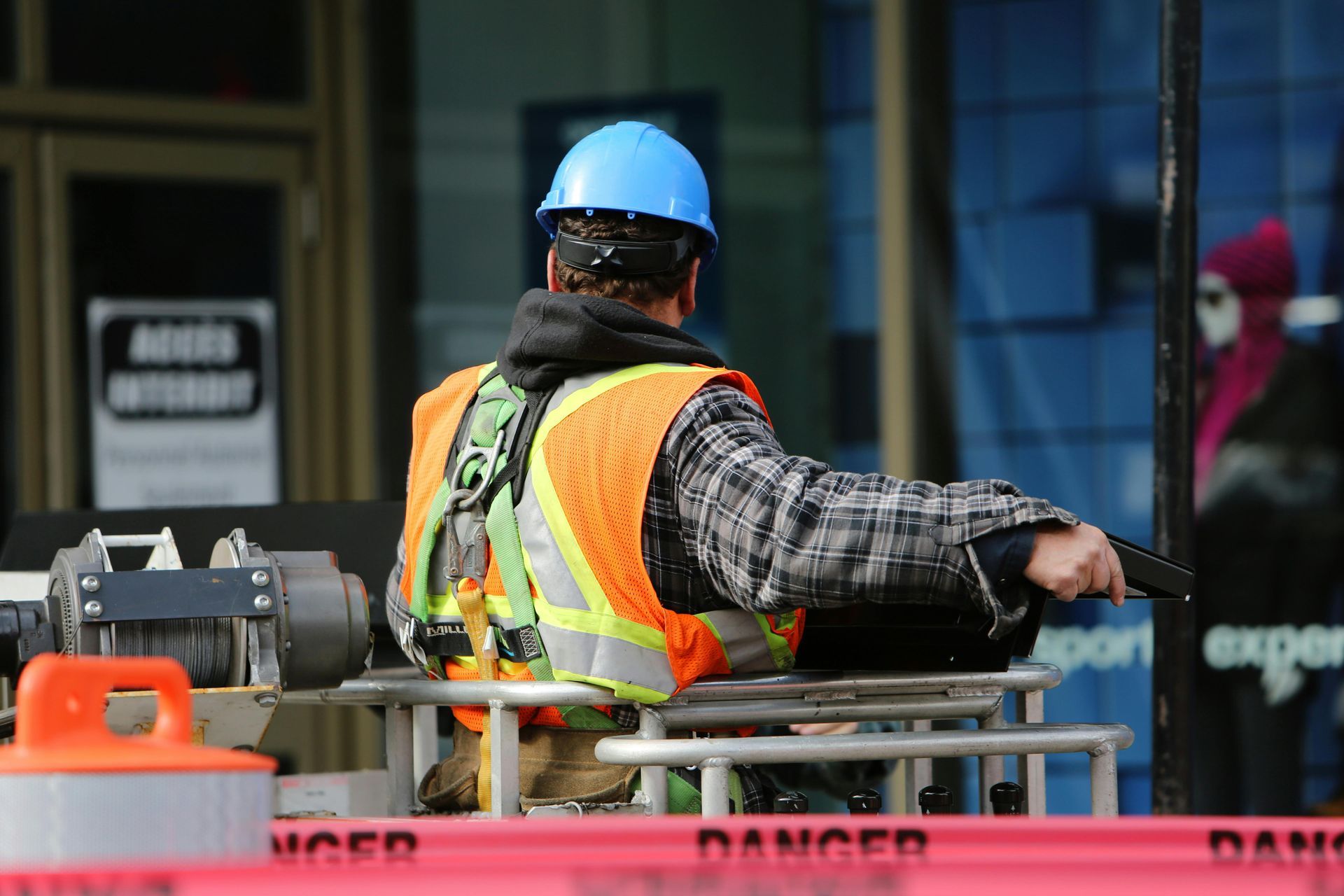
At Landmark Associates, we work with property managers, facility managers, and asset managers throughout Massachusetts to help them navigate repairs, renovations, and capital improvement projects with confidence.
1. Aging Buildings Are Creating Hidden Structural Problems
Many commercial and multifamily buildings across Massachusetts are 20–50 years old, and the exterior systems of these buildings are beginning to show signs of wear.
Common issues we see during property walkthroughs include:
- Failing flashing and waterproofing
- Deck framing deterioration
- Roof membrane failures
- Cracked masonry and façade damage
- Water intrusion inside wall systems
The biggest challenge is that these problems often begin out of sight.
Small failures in a building envelope can allow moisture to penetrate structural components, which eventually leads to rot, mold, and expensive repairs.
Preventative inspections and proactive repairs can significantly reduce long-term capital expenses and help property managers avoid emergency construction projects.
2. Finding a Reliable Commercial Contractor Is Harder Than Ever
One of the most common complaints we hear from property managers is simple:
“Contractors stop communicating.”
In commercial construction, poor communication can cause serious issues such as:
- Project delays
- Tenant disruptions
- Budget overruns
- Incomplete scopes of work
- Lack of documentation
Property teams need contractors who operate like partners — providing clear communication, reliable timelines, and predictable outcomes.
Landmark Associates was built around a simple idea: construction projects should be transparent, organized, and professionally managed from start to finish.
Our team focuses on clear documentation, proactive project management, and consistent communication with property teams throughout the entire project lifecycle.
3. Capital Improvement Projects Are Becoming More Complex
Commercial renovation projects today require significantly more coordination than they did a decade ago.
Property managers must navigate:
- Updated building codes
- Energy efficiency regulations
- Accessibility compliance
- Insurance requirements
- Rising material costs
- Multi-trade project coordination
These factors make capital improvement projects more challenging to plan and execute.
Since 2001, Landmark Associates has helped property teams manage complex commercial renovation projects throughout New England, working closely with contractors, architects, and building owners to deliver high-quality results while maintaining budget and timeline control.
4. Property Managers Need Long-Term Construction Partners
The most successful property teams don't just hire contractors for a single job — they build relationships with reliable construction partners who understand their buildings.
When a contractor becomes familiar with a property portfolio, projects move faster and problems are identified earlier.
Many of our clients manage multiple properties, and once a successful renovation or repair project is completed, we often continue supporting their future maintenance and capital projects across their portfolio.
This approach helps property managers reduce risk, control costs, and maintain consistent building quality.
5. Multi-Trade Contractors Are Replacing Multiple Vendors
Another growing trend in commercial property management is the shift toward multi-trade contractors who can manage a wide range of construction services.
Instead of coordinating multiple vendors, property managers often prefer working with one trusted partner who can handle:
- Exterior envelope restoration
- Roofing and waterproofing
- Masonry repairs
- Interior renovations
- Structural deck replacement
- Flooring and finishes
- Insurance restoration
- Ongoing maintenance programs
This approach simplifies project coordination and ensures consistent workmanship across all phases of construction.
Choosing the Right Commercial Renovation Contractor
Commercial building renovations require more than skilled labor — they require strong project management, clear communication, and a contractor who understands the operational realities of commercial properties.
At Landmark Associates, we specialize in commercial renovations, structural repairs, and capital improvement projects for property managers and building owners throughout Massachusetts and Rhode Island.
With over 20 years of experience in commercial construction, our team focuses on delivering reliable results, clear communication, and high-quality craftsmanship on every project.
Our goal is simple: help property teams protect their buildings, reduce risk, and complete projects with confidence.
Planning a Commercial Renovation Project?
If you're planning a building repair, renovation, or capital improvement project, the first step is a professional walkthrough to evaluate the condition of the property and identify potential risks.
Contact Landmark Associates today to schedule a consultation and discuss your upcoming project.
📞 508-482-0104
📧info@landmarkassoc.com
🌐www.landmarkassoc.com