Beyond The Purchase: Your Next Home Could Offer More Than You Think
What Massachusetts Homebuyers Should Know Before Investing
Buying a home is about more than finding the right place to live today. It's about recognizing the possibilities that property may offer tomorrow.
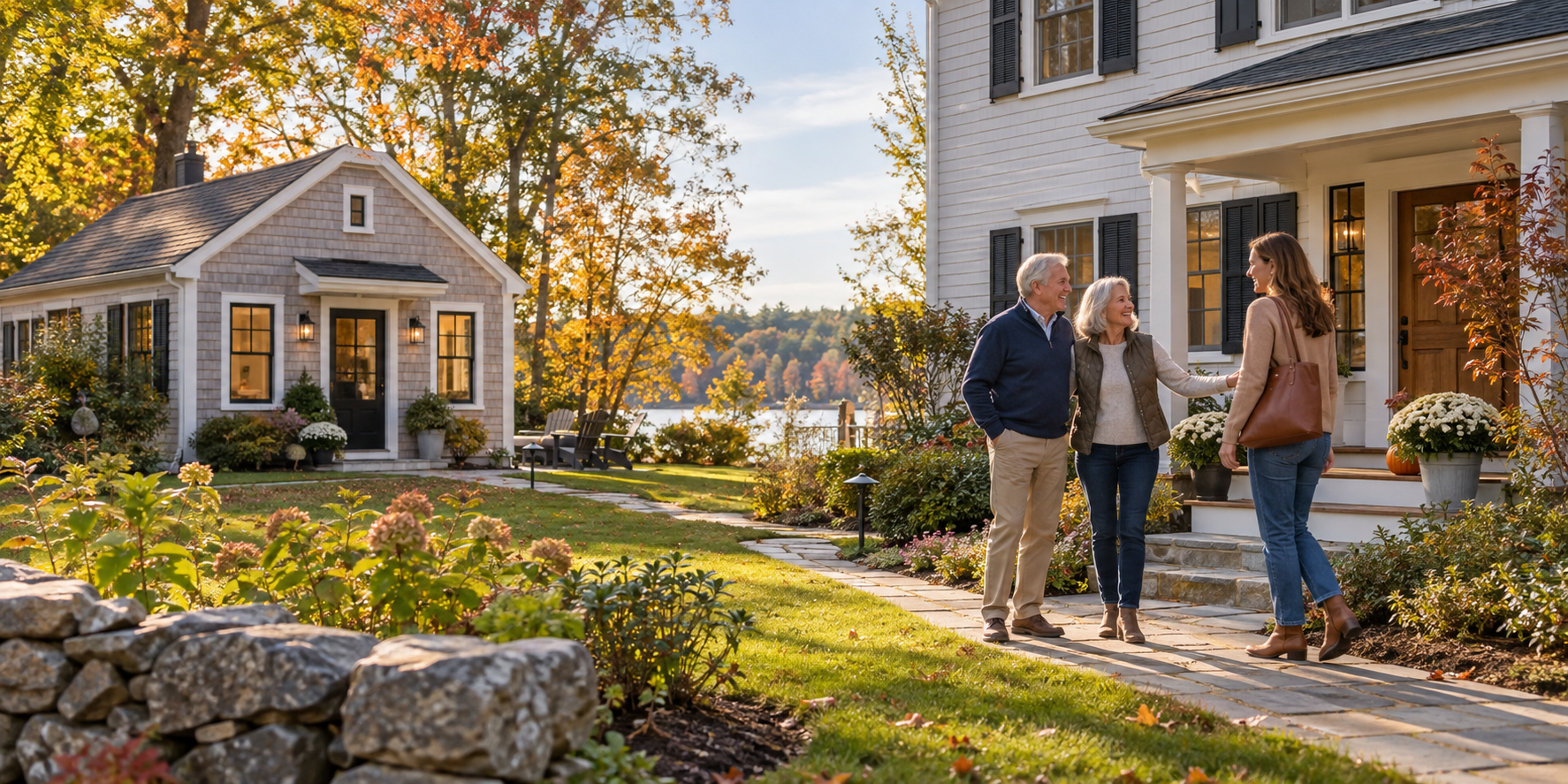
For Massachusetts homebuyers, an Accessory Dwelling Unit (ADU) can create opportunities for additional living space, multigenerational living, potential rental income, and long-term flexibility.
But not every property offers the same opportunities.
Understanding a home's ADU potential before purchasing can help you make a more informed investment and plan for the future with confidence.
At Landmark Associates, we believe the right project begins with understanding your goals, your options, and what your property can realistically support.
1. Look Beyond the Home. Consider the Property.
When purchasing a home, buyers typically focus on location, square footage, condition, and price.
But what about the space that hasn't been fully utilized?
An underused backyard, garage, basement, or existing structure may offer opportunities for additional living space.
Depending on the property, homeowners may explore several ADU options:
- Detached ADUs: Independent structures that provide separate living accommodations and greater privacy.
- Attached ADUs: Living units connected to the primary residence, potentially allowing for shared infrastructure.
- Garage Conversions: Transforming suitable existing garage space into a functional residential unit.
- Basement Conversions: Repurposing existing square footage into independent living accommodations.
- Modular ADUs: Factory-built components assembled on-site, potentially improving construction efficiency and schedule predictability.
- Custom-Built ADUs: Traditionally constructed units designed around a property's unique characteristics and homeowner goals.
- Hybrid ADUs: Combining factory-built or modular components with traditional on-site construction to balance customization, efficiency, and site-specific requirements.
The right approach depends on your property, budget, intended use, and applicable regulations.
The goal isn't simply to add another structure. It's to make better use of the property you invest in.
2. Understand What's Possible Before You Buy
Massachusetts' updated ADU legislation has expanded opportunities for homeowners throughout the Commonwealth.
Since February 2, 2025, qualifying ADUs have been allowed by right in single-family residential zoning districts, subject to applicable state and local requirements.
However, zoning eligibility doesn't automatically mean a property is ready for construction.
Before purchasing with an ADU in mind, consider:
Zoning and Regulations
Review applicable zoning requirements, dimensional limitations, setbacks, and other restrictions that may influence the project.
Property Feasibility
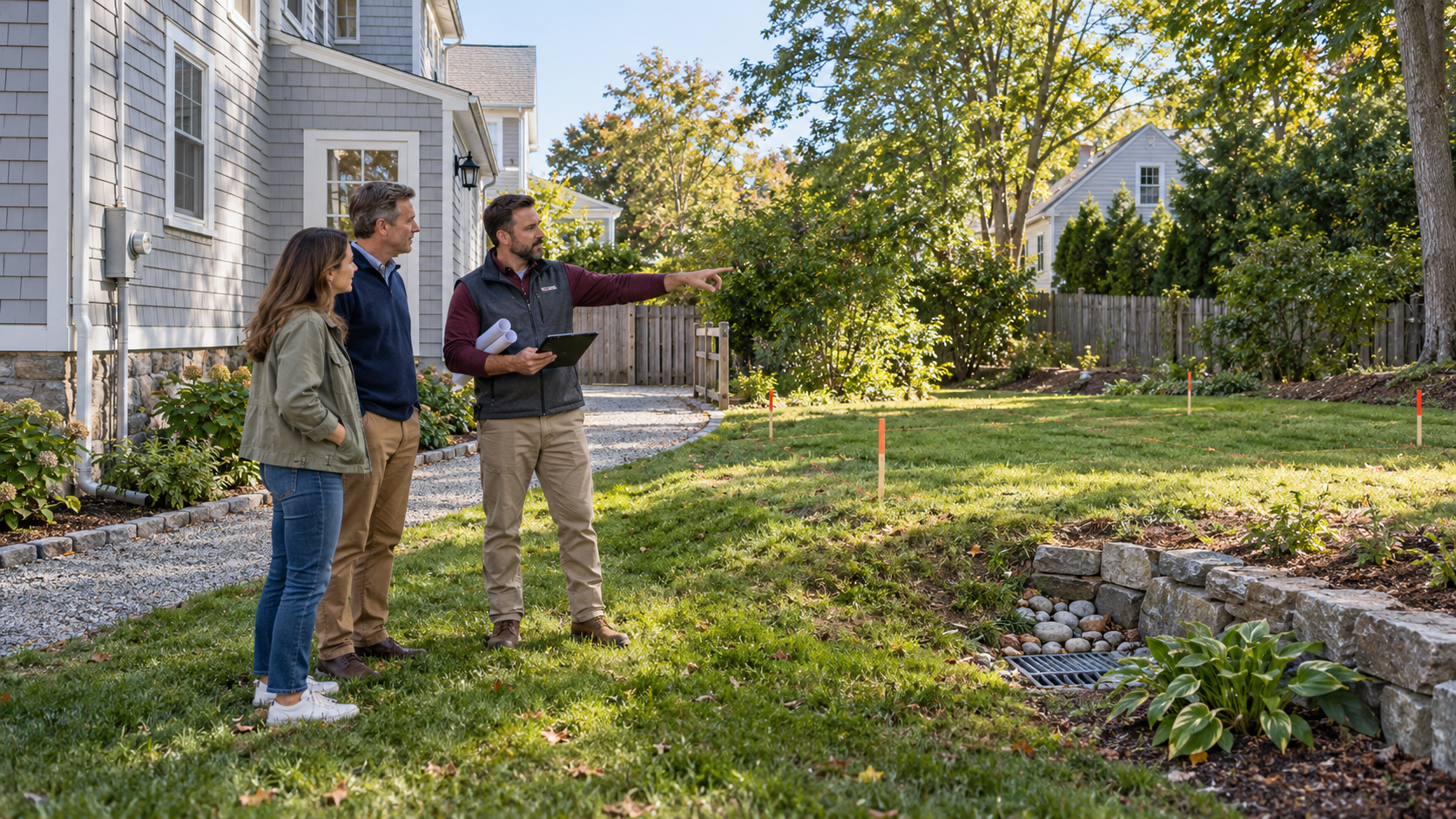
Evaluate lot size, placement, access, drainage, slope, existing structures, and available space.
Utilities and Infrastructure
Determine whether existing water, sewer or septic, and electrical systems can support an additional living unit or may require improvements.
Construction Access
Consider how equipment, materials, and crews would access the site, particularly in established residential neighborhoods.
Understanding these conditions before investing in design or construction can help identify potential obstacles and establish realistic expectations.
3. Explore the Financial Picture
For many homeowners, financing plays an important role in determining when and how an ADU project moves forward.
Potential financing paths may include home-equity products, construction financing, renovation loans, or other lending options, depending on eligibility and the property.
It's also important to understand the full scope of the investment.
Consider:
- Estimated design, permitting, and construction costs
- Utility connections and potential infrastructure upgrades
- Financing terms and borrowing costs
- Construction schedules and potential disruptions
- Long-term operating and maintenance expenses
- Potential rental income and local market conditions
An ADU may provide opportunities for supplemental rental income or additional property value, but financial outcomes vary.
Understanding the numbers before building is essential to making an informed decision.
4. Buy for Today. Plan for Tomorrow.
Your needs today may look very different five, ten, or twenty years from now.
An ADU can offer flexibility as those needs change.
Keep Family Close
Create independent living space for aging parents, adult children, or loved ones while maintaining privacy and connection.
Explore Potential Rental Income
Make productive use of suitable property space through long-term rental opportunities, subject to applicable requirements.
Plan for Aging in Place
Explore living arrangements that allow homeowners to remain connected to their property and community as their needs evolve.
Increase Everyday Flexibility
Create additional residential space that can adapt to changing household circumstances.
Consider Long-Term Property Potential
Additional permitted living space may improve functionality and market appeal, depending on property characteristics and local market conditions.
An ADU isn't only about what your property can offer today.
It's about creating options for the years ahead.
5. Build Now or Plan for Future Expansion?
Not every homeowner needs to begin construction immediately.
For some buyers, the priority is identifying a property that could accommodate an ADU in the future.
Others may be ready to explore construction shortly after purchasing.
Both approaches benefit from asking the right questions early.
Before moving forward, consider:
- What do I want my ADU to accomplish?
- What type of ADU could my property realistically support?
- What are the potential costs and financing options?
- What zoning, utility, and permitting requirements apply?
- Should I build now or develop a plan for future expansion?
The answers can help shape your next steps and reduce uncertainty before making major commitments.
6. The Landmark Difference: Choice, Cost Options, and Convenience
At Landmark Associates, we understand that every homeowner, property, and long-term goal is different.
That's why our approach is centered around three principles.
Choice
Explore modular, hybrid, custom-built, detached, attached, and conversion solutions based on your property's characteristics and your goals.
Cost Options
Understand potential project costs, financing opportunities, and budget considerations before committing to construction.
Convenience
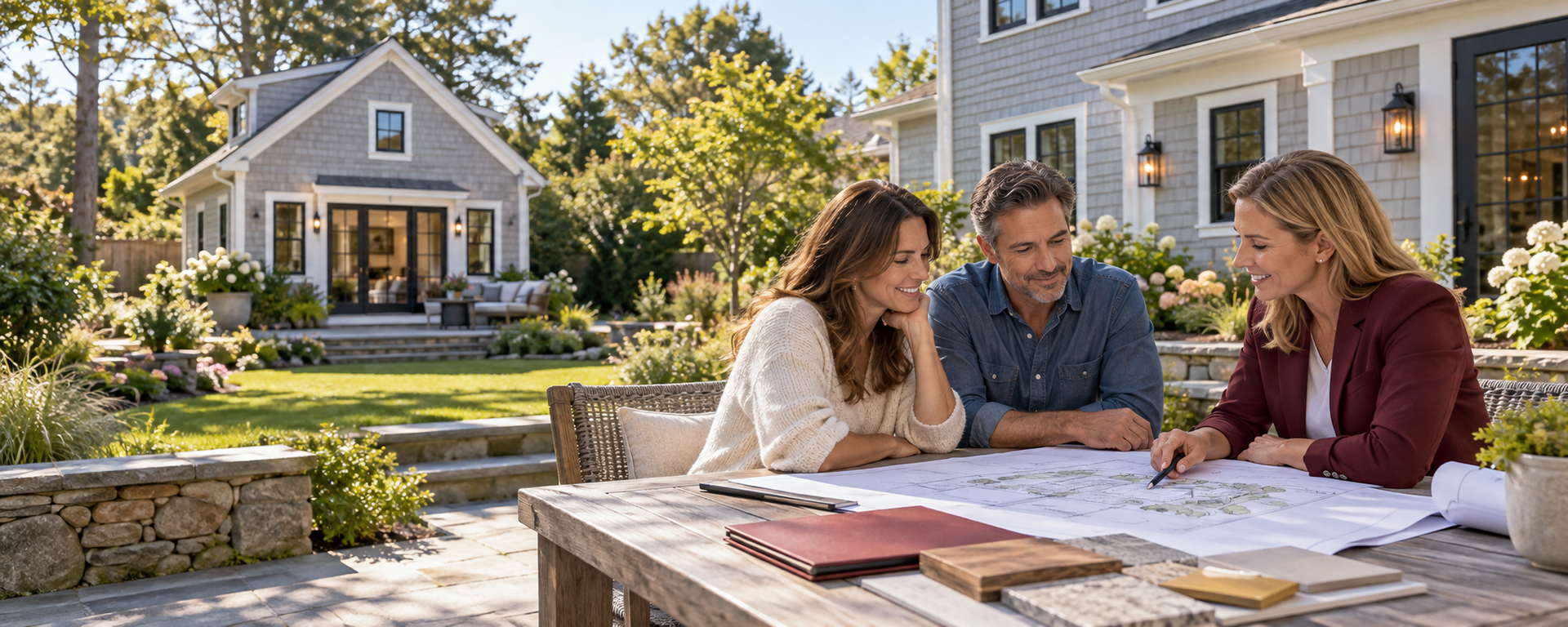
Work with an experienced team that helps coordinate feasibility, planning, design, permitting, construction, and project completion.
Our mission goes beyond building ADUs.
We help homeowners understand their options, evaluate potential challenges, and make informed decisions before construction begins.
Your Next Home Could Offer More Than You Think
A smart home purchase considers both immediate needs and future possibilities.
Whether you're exploring additional space for family, potential rental income, or greater long-term flexibility, understanding a property's ADU potential can help you make decisions with greater confidence.
You don't need to have every answer before getting started.
You need to know which questions to ask and where to find the right guidance.
Don't just buy for today. Invest with tomorrow in mind.
Ready to Explore Your Property's ADU Potential?
Before you invest in plans or construction, take the time to understand what's possible.
Landmark Associates can help you explore ADU options, evaluate property considerations, and develop a clearer path forward.
Schedule a consultation with Landmark Associates today.
- (508) 482-0104
- www.landmarkassoc.com
Add Space. Add Value. Build with Confidence.
This article is intended for educational purposes. ADU feasibility, financing, permitting, construction requirements, rental use, and potential property value vary by property and municipality.