Before expanding your property portfolio, consider the potential of what you already own.
An underused commercial building. An outdated interior layout. A property that no longer meets the needs of its occupants. Each presents an opportunity to step back and ask:
Could this space serve a greater purpose?
For property owners, investors, and homeowners, that question can open the door to adaptive reuse, thoughtful renovations, and new possibilities within an existing footprint.
What Is Adaptive Reuse?
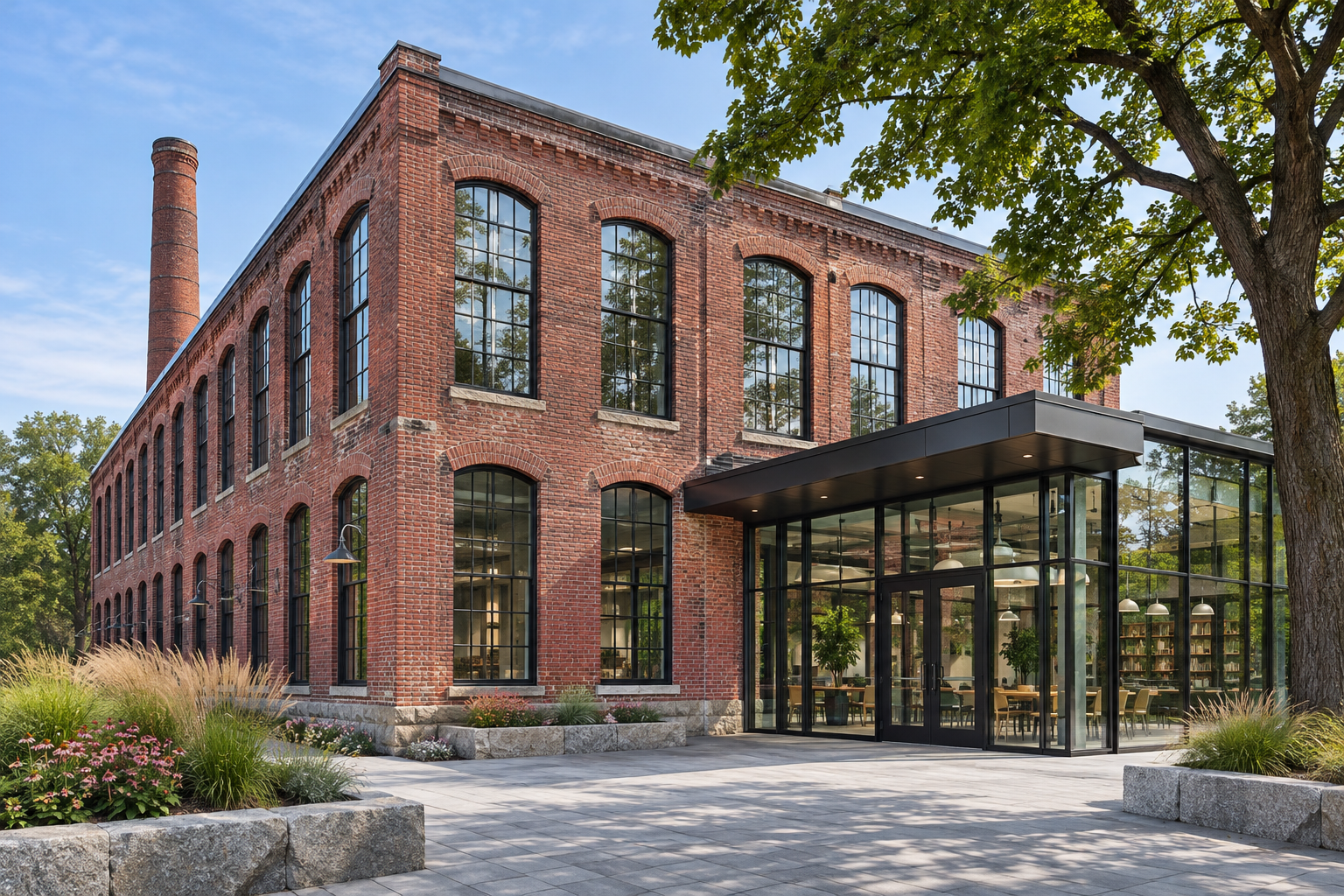
Adaptive reuse means adapting an existing building for a different purpose. A former industrial building might become offices, housing, or community space, while a commercial property could be redesigned to accommodate a new type of tenant. The approach can preserve a building’s character while giving it a useful next chapter.
Strategic renovations offer a related opportunity: improving a property while continuing its current use. Reworking an office layout, upgrading common areas, or modernizing an aging interior can help a building better support the people who use it.
Both approaches begin with understanding the property’s condition, the owner’s goals, and what is practical to build.
Where Could Opportunity Exist?
Reimagining underused space
Vacant areas, oversized rooms, and spaces with limited functionality are worth a closer look. Could an inefficient floor plan better accommodate tenants? Could an unused area support a new amenity or operational need? The opportunity starts with identifying where the property falls short today.
Improving everyday function
A property does not need an entirely new purpose to benefit from thoughtful changes. Interior reconfiguration can address awkward circulation, insufficient storage, disconnected work areas, or spaces that no longer reflect how occupants live and work.
The goal is to make the building more useful, comfortable, and responsive to current needs.
Coordinating building improvements
A renovation also creates an opportunity to consider how interiors, exterior conditions, and building systems work together. Addressing these needs through a coordinated plan helps owners understand priorities and establish a clear scope before construction begins.
Exploring housing possibilities
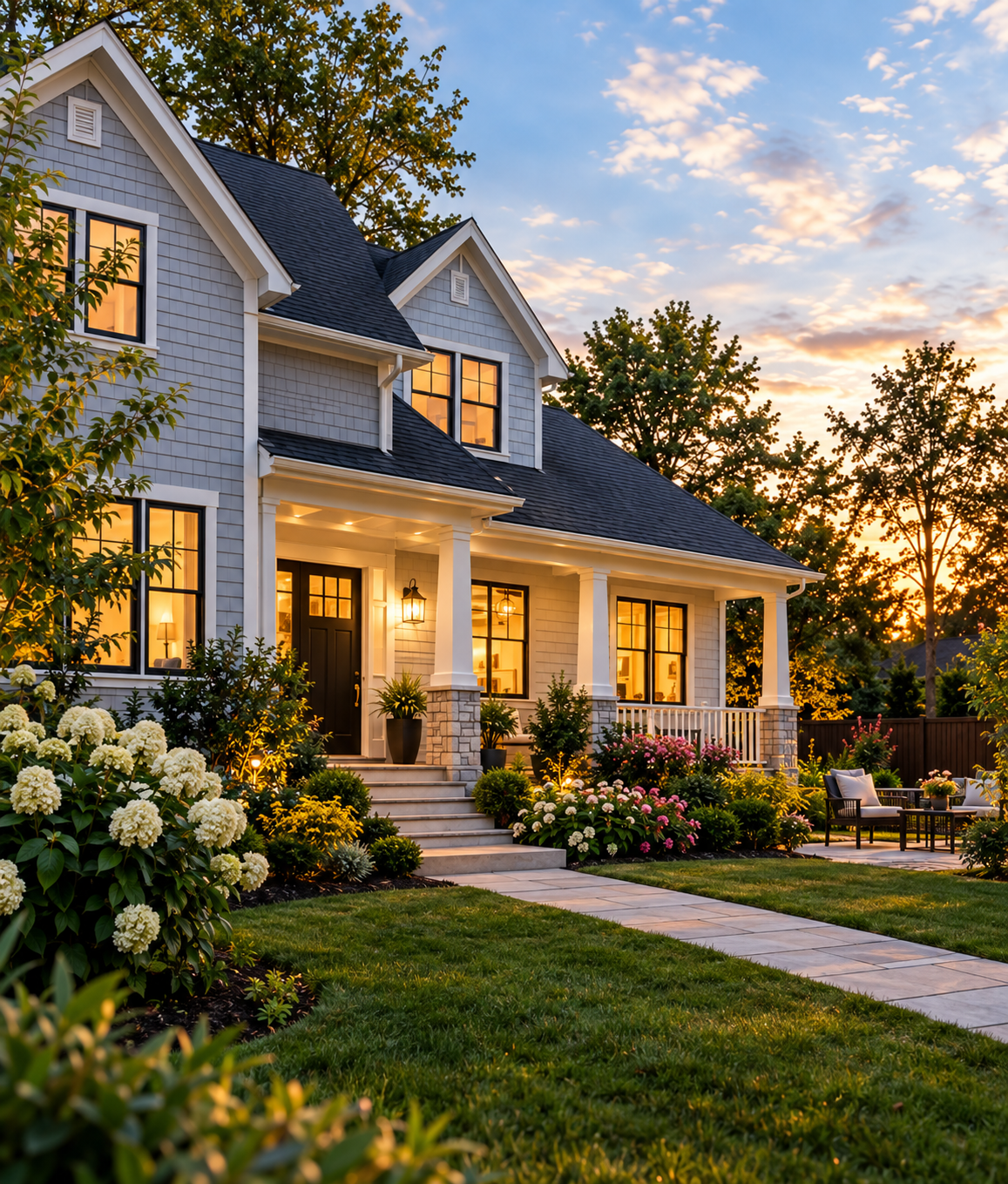
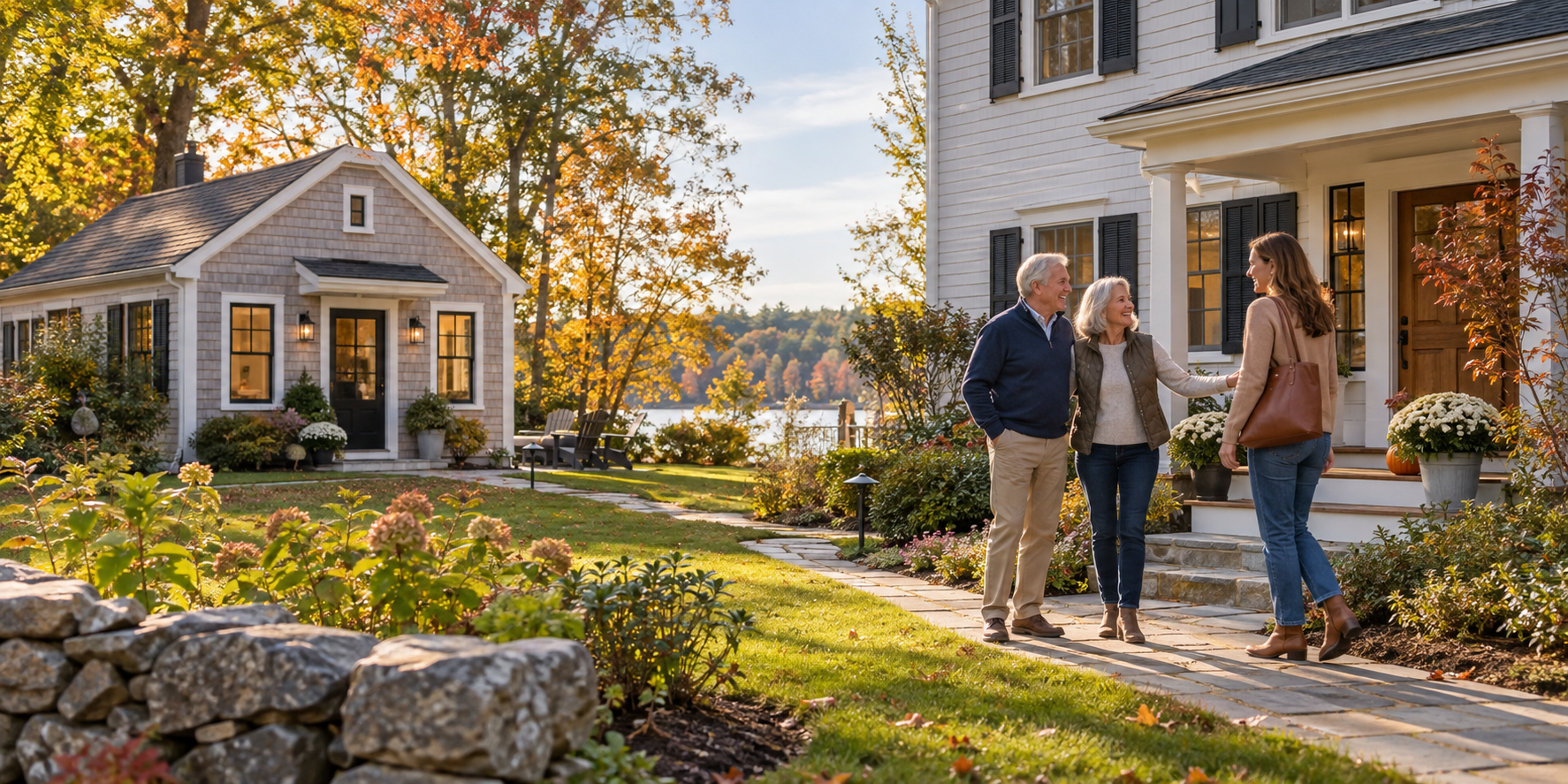
For homeowners, an existing basement, garage, or other suitable space may present an opportunity for an accessory dwelling unit. In Massachusetts, ADU projects remain subject to applicable requirements, making property-specific planning an essential first step.
Larger residential conversions require their own evaluation. The right approach depends on the building, its location, and the proposed use.
Start With Feasibility
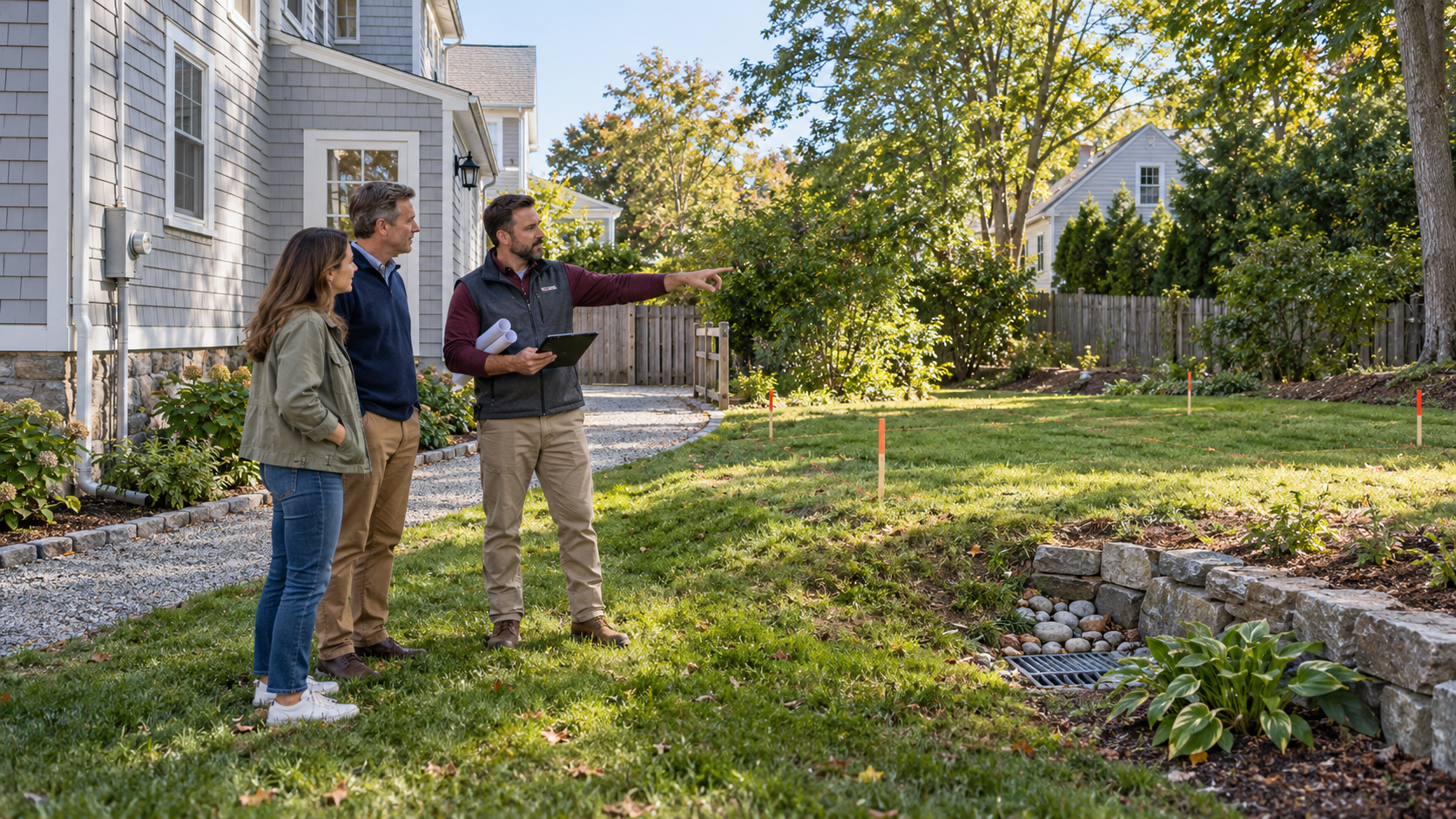
A compelling idea is the beginning. Determining whether it makes sense requires a closer look at the property.
Early planning should address several practical questions:
- Condition: What repairs or structural improvements may be needed?
- Suitability: Can the building accommodate the proposed layout and use?
- Requirements: What zoning, permitting, accessibility, and building considerations need review?
- Infrastructure: Can existing utilities and building systems support the plan?
- Execution: How will budget, scheduling, access, and occupancy affect construction?
This evaluation helps owners establish realistic expectations and make informed decisions before committing to a larger project.
A Thoughtful Approach to Your Property’s Next Chapter
At Landmark Associates, we understand that existing properties come with their own history, challenges, and opportunities. Our work across residential, commercial, and multifamily construction brings a practical perspective to renovations and property improvements.
Whether you are considering a new use, a more functional layout, or a broader renovation, the conversation starts with your goals and the conditions of the property.
What could your property become?
Connect with Landmark Associates to discuss your property, your priorities, and the possibilities worth exploring.
landmarkassoc.com
| (508) 482-0104