The Complete Massachusetts Homeowner's Guide to Accessory Dwelling Units (ADUs)
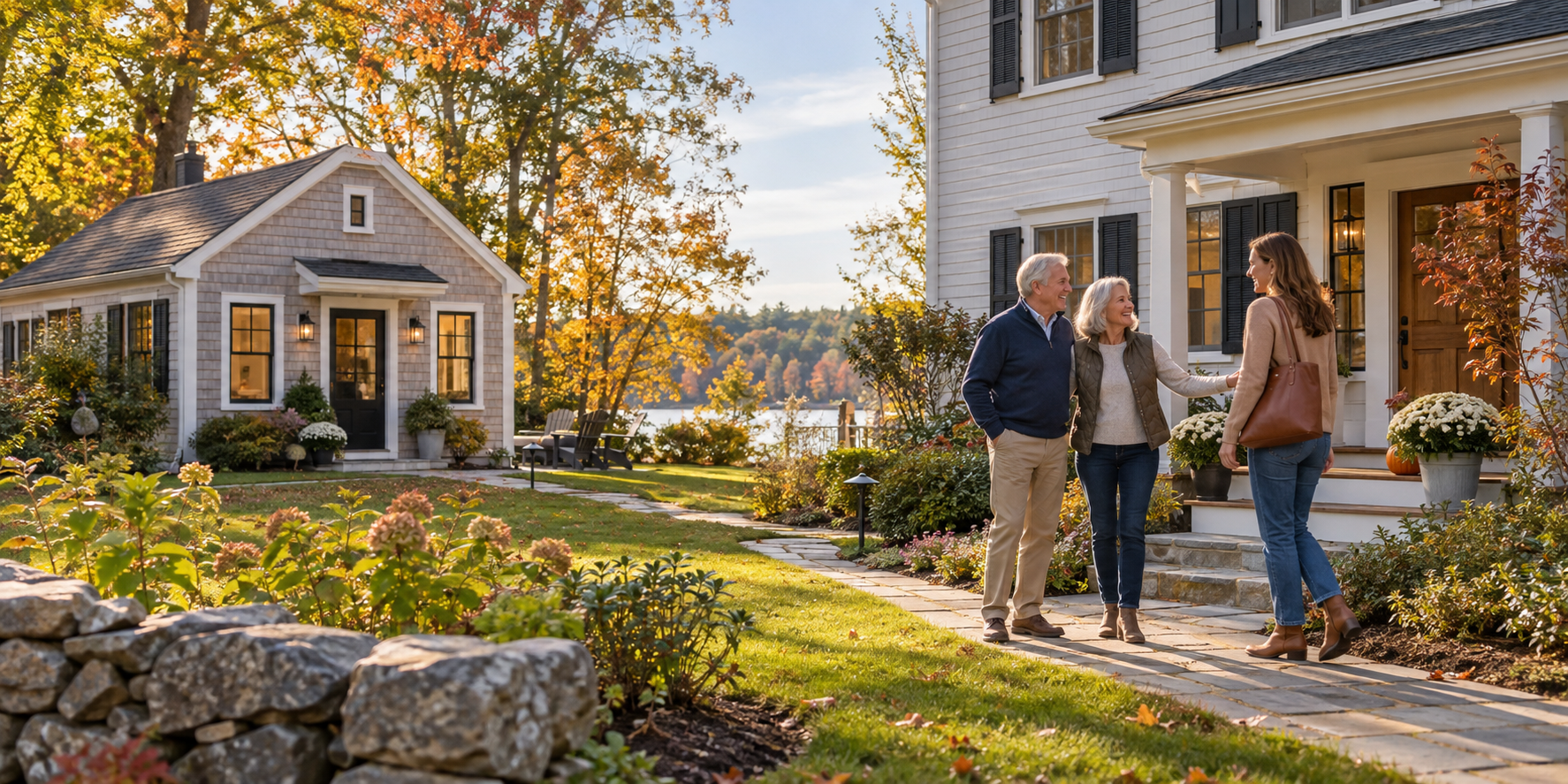
As housing needs continue to evolve across Massachusetts, more homeowners are exploring Accessory Dwelling Units (ADUs) as a way to create additional living space, increase property flexibility, and prepare for future lifestyle changes.
Whether you're considering an ADU for aging parents, adult children, rental income, guest accommodations, or simply making better use of your property, understanding the planning process is the first step toward making an informed decision.
At Landmark Associates, we believe successful construction projects begin with education, realistic expectations, and careful planning. This guide brings together many of the most common questions Massachusetts homeowners ask when exploring ADUs and serves as a central resource to help you better understand the process.
What Is an ADU?
An Accessory Dwelling Unit (ADU) is a secondary residential living space located on the same lot as a primary residence.
Unlike a traditional home addition, an ADU functions as an independent living space with its own kitchen, bathroom, sleeping area, and private entrance.
Common ADU types include:
- Detached backyard cottages
- Garage conversions
- Basement apartments
- Attached additions
- Above-garage apartments
Because every property is different, one type of ADU may be more practical than another depending on available space, utilities, zoning considerations, and construction costs.
➡ Accessory Dwelling Units (ADUs) | Landmark Associates | Within 90 min of Hopedale, MA.
Why More Massachusetts Homeowners Are Exploring ADUs
Interest in ADUs has grown significantly throughout Massachusetts over the past several years.
Many homeowners are discovering that an ADU offers long-term flexibility without requiring them to relocate.
Some of the most common reasons homeowners build ADUs include:
- Housing aging parents
- Providing independent living space for adult children
- Creating guest accommodations
- Establishing a dedicated home office
- Planning for future caregiving needs
- Exploring rental income opportunities
- Increasing overall property functionality
As housing costs continue to rise and multigenerational living becomes more common, ADUs offer a practical solution that adapts alongside changing family needs.
For a closer look at why this trend continues to grow across the state, read:
➡ Why More Massachusetts Homeowners Are Exploring ADUs
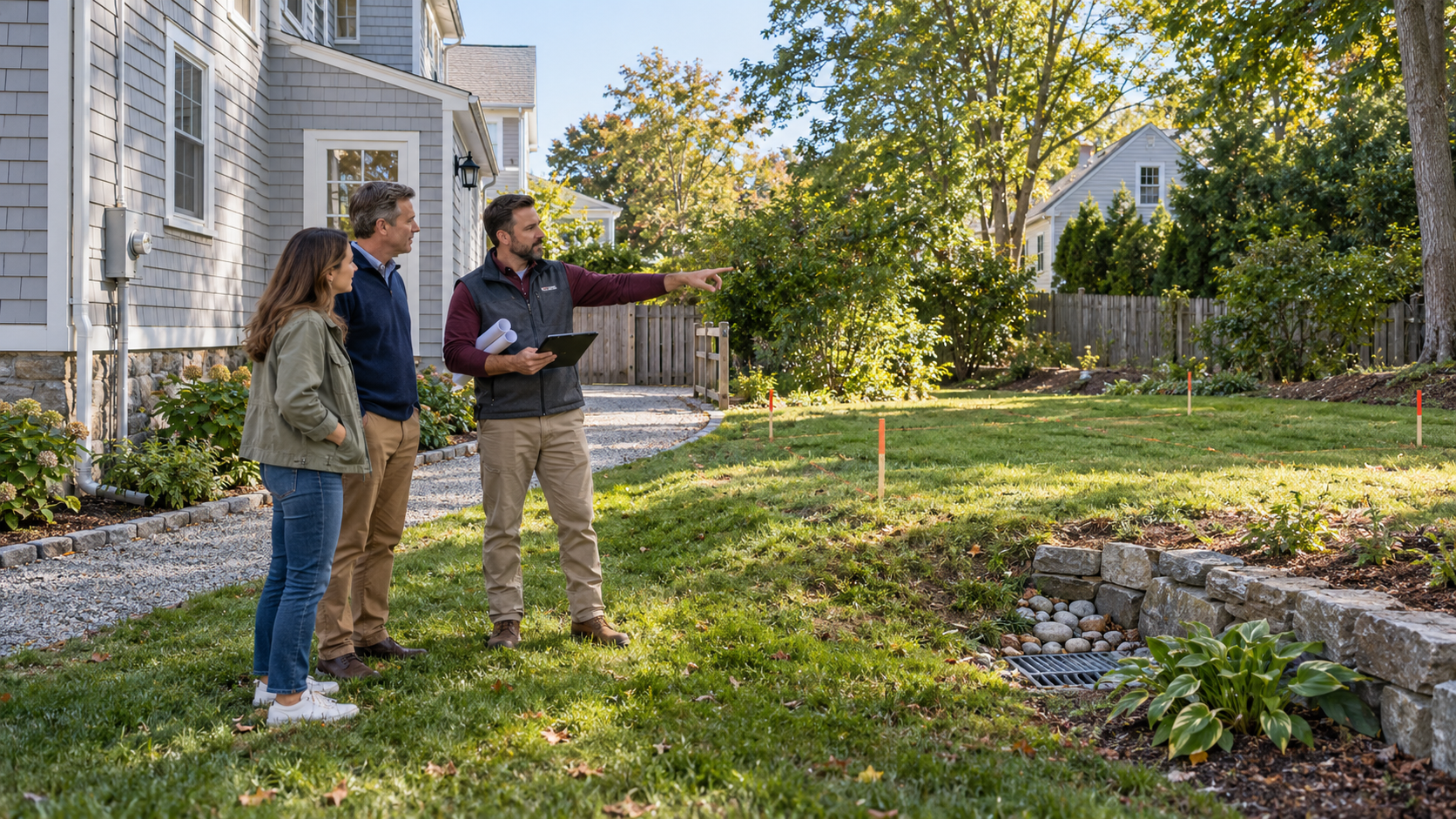
Could Your Property Support an ADU?
One of the biggest misconceptions homeowners have is assuming every property can accommodate an ADU.
While recent state changes have expanded opportunities, each property still requires an individual feasibility assessment.
Some of the most important factors include:
- Lot size and available building area
- Existing setbacks
- Driveway access
- Utility connections
- Drainage considerations
- Topography
- Existing structures
- Building code requirements
Professional feasibility evaluations help identify opportunities early while reducing costly surprises later in the project.
Understanding what's possible before investing in architectural drawings can save significant time and expense.
For a more detailed explanation of the evaluation process, read:
➡ Could Your Property Support an ADU?
Understanding Massachusetts ADU Regulations
Massachusetts has recently updated regulations that have increased awareness and accessibility surrounding ADUs.
However, many homeowners mistakenly assume that these changes mean every property automatically qualifies.
In reality, successful ADU projects still depend on:
- Local permitting requirements
- Building code compliance
- Utility capacity
- Site-specific conditions
- Construction feasibility
Statewide legislation has opened new opportunities, but every project still benefits from careful planning and professional guidance.
To better understand how these changes may affect your property, read:
➡ Massachusetts ADU Rules Have Changed
Five Questions Every Homeowner Should Ask
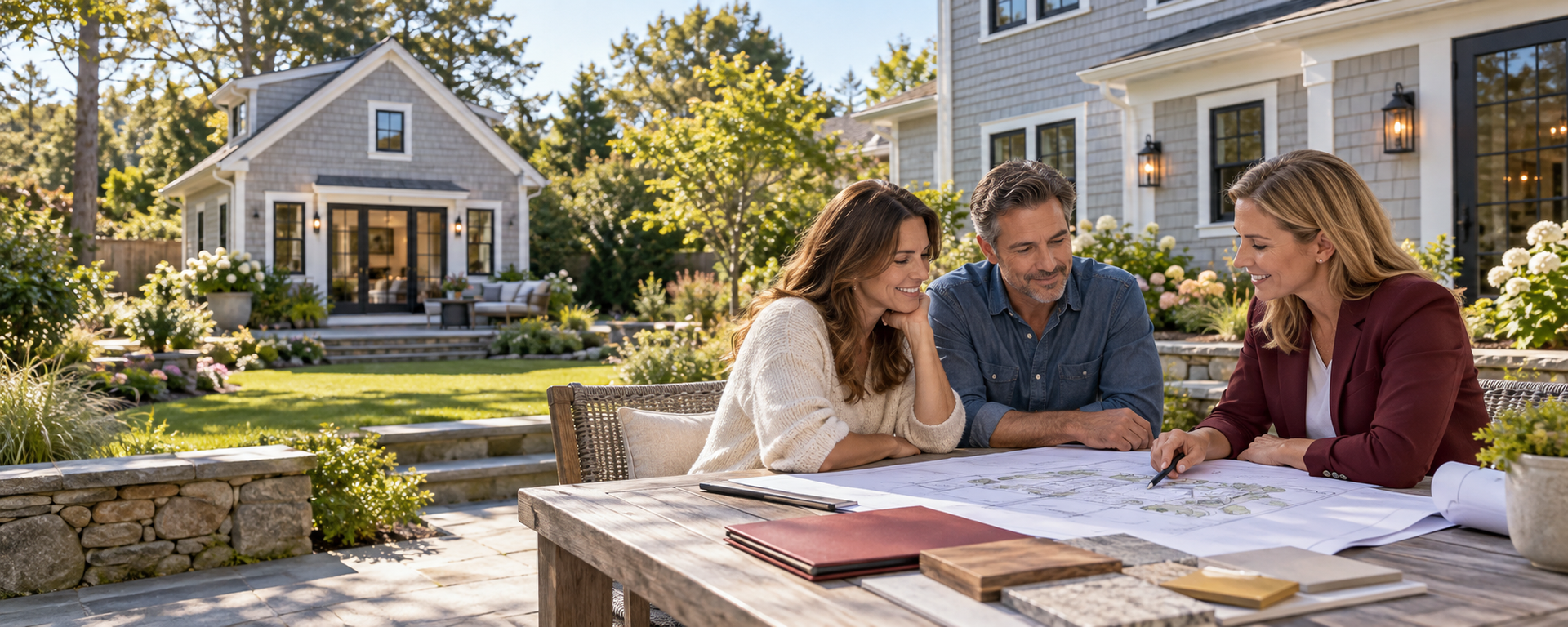
One of the best ways to avoid delays and unexpected expenses is by asking the right questions before beginning the design process.
Consider:
- Why are you building an ADU?
- Who will live there?
- What is your realistic budget?
- Will utilities need upgrading?
- What timeline are you hoping to achieve?
These conversations often shape the entire direction of the project.
Homeowners who invest time in planning generally experience smoother construction and fewer unexpected changes.
For a deeper discussion, read:
➡ 5 Questions to Ask Before Building an ADU
Before You Build an ADU
Even after deciding to move forward, there are several important planning steps homeowners should complete before construction begins.
These include:
- Understanding project costs
- Reviewing financing options
- Evaluating construction timelines
- Hiring qualified professionals
- Confirming permitting requirements
- Preparing for inspections
Early planning often leads to better budgeting, fewer delays, and a more efficient construction process.
Before taking the next step, we recommend reading:
Can an ADU Increase Property Value?
Another common question homeowners ask is whether an ADU will increase the value of their home.
While no contractor can guarantee future property values, many buyers appreciate homes that offer additional flexibility.
Potential benefits include:
- Space for extended family
- Home office opportunities
- Guest accommodations
- Long-term housing flexibility
- Rental income potential
- Greater property functionality
The impact on resale value depends on many factors, including location, construction quality, neighborhood demand, and overall property layout.
To learn more, read:
➡ Could an ADU Increase Property Value?
Can an ADU Generate Rental Income?
For many homeowners, one of the most appealing aspects of an ADU is its potential to generate supplemental income.
Depending on local regulations, market conditions, and individual property characteristics, an ADU may provide:
- Long-term rental opportunities
- Housing for traveling professionals
- Additional monthly income
- Greater financial flexibility
- Better use of underutilized property
While rental income should never be the sole reason for pursuing an ADU, it can be one of several long-term benefits homeowners evaluate during the planning process.
Understanding local regulations, operating costs, and property-specific limitations is an important part of making an informed decision.
Learn more in our article:
➡
Can an ADU Generate Rental Revenue?
What If Your ADU Application Is Denied?
Receiving an ADU denial can feel discouraging, but it doesn't necessarily mean your project is over.
Many applications are denied because of challenges such as:
- Setback limitations
- Utility constraints
- Lot configuration
- Drainage issues
- Placement conflicts
- Building code concerns
In many situations, homeowners are able to move forward after redesigning the project or exploring alternative ADU configurations such as:
- Garage conversions
- Basement ADUs
- Attached additions
- Smaller detached units
Professional feasibility assessments often identify solutions homeowners may not have initially considered.
Learn more here:
➡ Denied for an ADU? You May Still Have Options
Bringing It All Together
Every ADU project is unique.
No two properties have the same layout, utility infrastructure, permitting requirements, or homeowner goals.
That's why successful projects begin with education—not construction.
By understanding your property's limitations, asking the right questions, evaluating current regulations, and working with experienced professionals, you'll be better prepared to make confident decisions throughout the process.
Whether your goal is creating space for family, improving your property's flexibility, or planning for future housing needs, careful planning remains the foundation of every successful ADU project.
Why Work With Landmark Associates?
For more than 20 years, Landmark Associates has helped homeowners, property owners, and commercial clients throughout Massachusetts navigate complex construction projects with confidence.
Our approach is built around:
- Clear communication
- Professional project management
- Honest guidance
- Experienced construction oversight
- Quality craftsmanship
Rather than rushing homeowners toward construction, we focus on helping clients fully understand their options before making significant investments.
Our goal is simple:
Help homeowners make informed decisions and build with confidence.
Schedule an ADU Consultation
If you're exploring the possibility of adding an ADU to your property, the best first step is understanding what's realistically possible.
A professional consultation can help you evaluate your property's feasibility, identify potential challenges, and outline practical next steps before investing in design or construction.
Whether you're just beginning your research or ready to move forward, Landmark Associates is here to help you navigate the process with confidence.
Contact Landmark Associates today to schedule an ADU consultation and discover what's possible for your property.