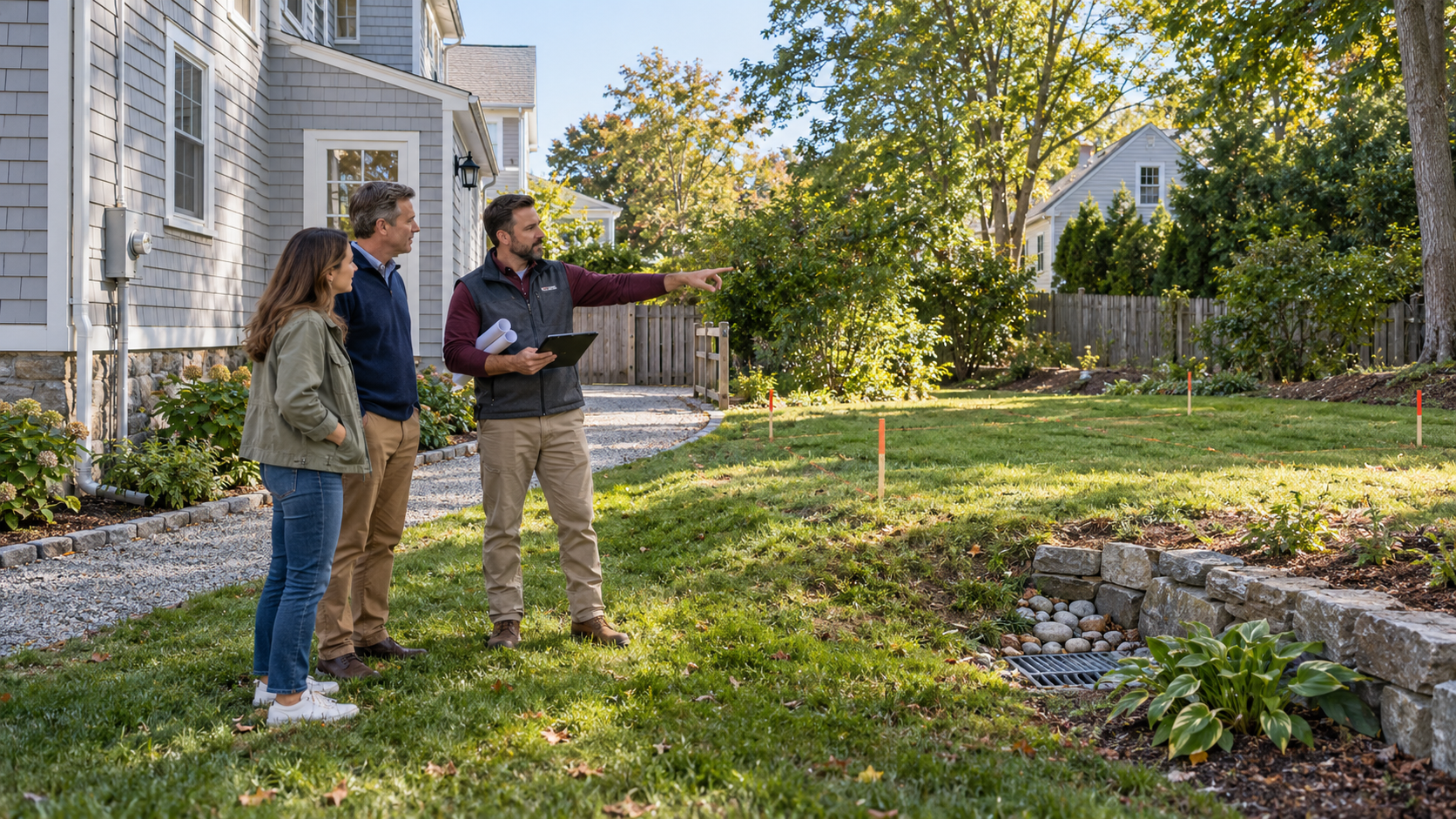
Many Massachusetts homeowners are exploring Accessory Dwelling Units (ADUs) not only for additional living space but also for their potential to generate rental income.
With housing demand remaining strong across much of the Commonwealth, ADUs have become an increasingly attractive way to maximize existing property while creating long-term financial flexibility.
Recent changes to Massachusetts law have also made many ADUs easier to build by allowing qualifying units as a protected use in many single-family zoning districts, although local building, health, and site-specific requirements still apply.
Why ADUs Are Attracting Attention
Homeowners are increasingly interested in ADUs because they can provide:
- Supplemental income
- Long-term rental opportunities
- Housing for family members
- Greater property flexibility
- Improved use of underutilized land
Unlike a traditional home addition, an ADU creates an independent living space that can evolve with your family's needs over time.
Rental Income Potential
For many homeowners, rental income is one of the biggest advantages of building an ADU.
Depending on your property's location, rental demand, and the type of ADU you build, a long-term tenant may help offset:
- Mortgage payments
- Property taxes
- Insurance costs
- Maintenance expenses
- Utility costs (depending on how services are configured)
While rental income varies by market and individual circumstances, an ADU can become a long-term asset that contributes to the overall financial performance of your property.
A Flexible Investment
One of the greatest strengths of an ADU is that it doesn't have to serve a single purpose forever.
An ADU might be used as:
- A long-term rental today
- Housing for aging parents tomorrow
- Independent space for adult children
- A private guest suite
- A home office or creative studio
- Housing for a caregiver
This flexibility often makes an ADU valuable even if rental income isn't your primary objective.
Could an ADU Increase Property Value?
Although every property is different, many buyers appreciate homes that offer additional living space and multiple housing options.
An ADU may increase buyer interest by providing:
- Income-producing potential
- Multigenerational living opportunities
- Flexible work-from-home space
- Additional guest accommodations
- Greater long-term functionality
The actual impact on resale value depends on market conditions, construction quality, location, and how well the ADU integrates with the primary residence.
Important Planning Factors
Before moving forward, homeowners should evaluate several key factors that can influence both project cost and future rental potential.
Local Regulations
Although Massachusetts has expanded opportunities for ADUs, homeowners must still comply with applicable building codes, health regulations, septic or sewer requirements, and local dimensional standards.
Construction Costs
Project costs vary based on:
- Site conditions
- ADU size
- Utility connections
- Foundation requirements
- Interior finishes
- Existing structures
Understanding these costs early helps establish realistic expectations.
Utility Capacity
Water, sewer, septic, electrical service, and drainage systems should all be evaluated before design begins. In some cases, utility upgrades can significantly affect the overall project budget.
Financing
Some homeowners finance ADUs through home equity loans, construction loans, refinancing, or other lending options. Speaking with a qualified financial professional can help determine which approach best fits your situation.
Why Professional Feasibility Matters
Not every property is ideally suited for an ADU.
Lot layout, setbacks, grading, existing utilities, access, wetlands, easements, conservation restrictions, and local permitting requirements can all influence what is possible.
A professional feasibility assessment can help identify potential challenges before significant design costs are incurred, saving both time and money.
How Landmark Helps
At Landmark Associates, we guide homeowners through the early planning process by evaluating:
- Property feasibility
- Existing site conditions
- Utility requirements
- Construction considerations
- Project budgeting
- Local permitting requirements
Our goal is to help homeowners make informed decisions before investing in design and construction.
Curious About Your Property's Potential?
Whether you're interested in creating additional living space or exploring the possibility of rental income, the first step is understanding what's possible on your property.
Schedule a property assessment with Landmark Associates and learn whether your property could support an income-producing ADU.